
Changping, Dongguan, China
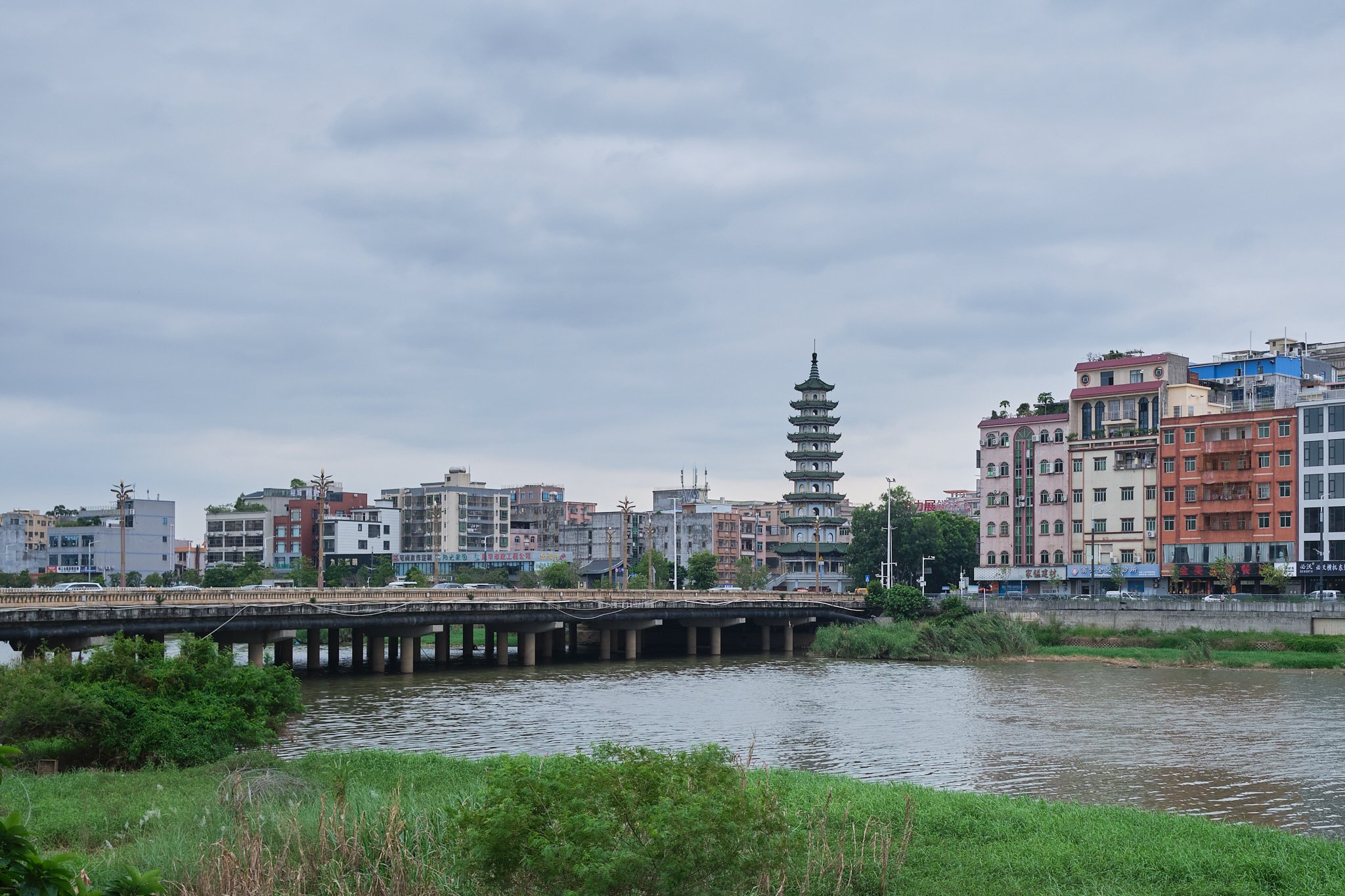
We spent five days in Changping while Natasa was in town for a business trip, giving us the perfect excuse to slow down and explore a corner of Guangdong that most travelers overlook. Tucked within the sprawling Pearl River Delta, Changping blends old Cantonese charm with the hum of modern southern China — a place shaped by merchants, railways, factories, and, most famously, food.
Located in the Dongguan region, Changping grew from quiet agricultural villages into a bustling commercial hub thanks to its strategic rail connections. For decades it served as one of the key gateways between Hong Kong and mainland China, bringing with it a mix of cultures, flavors, and people on the move.
Five days here was more than enough to realize one thing: Changping runs on good food, good tea, and a rhythm all its own.
The Story of Changping

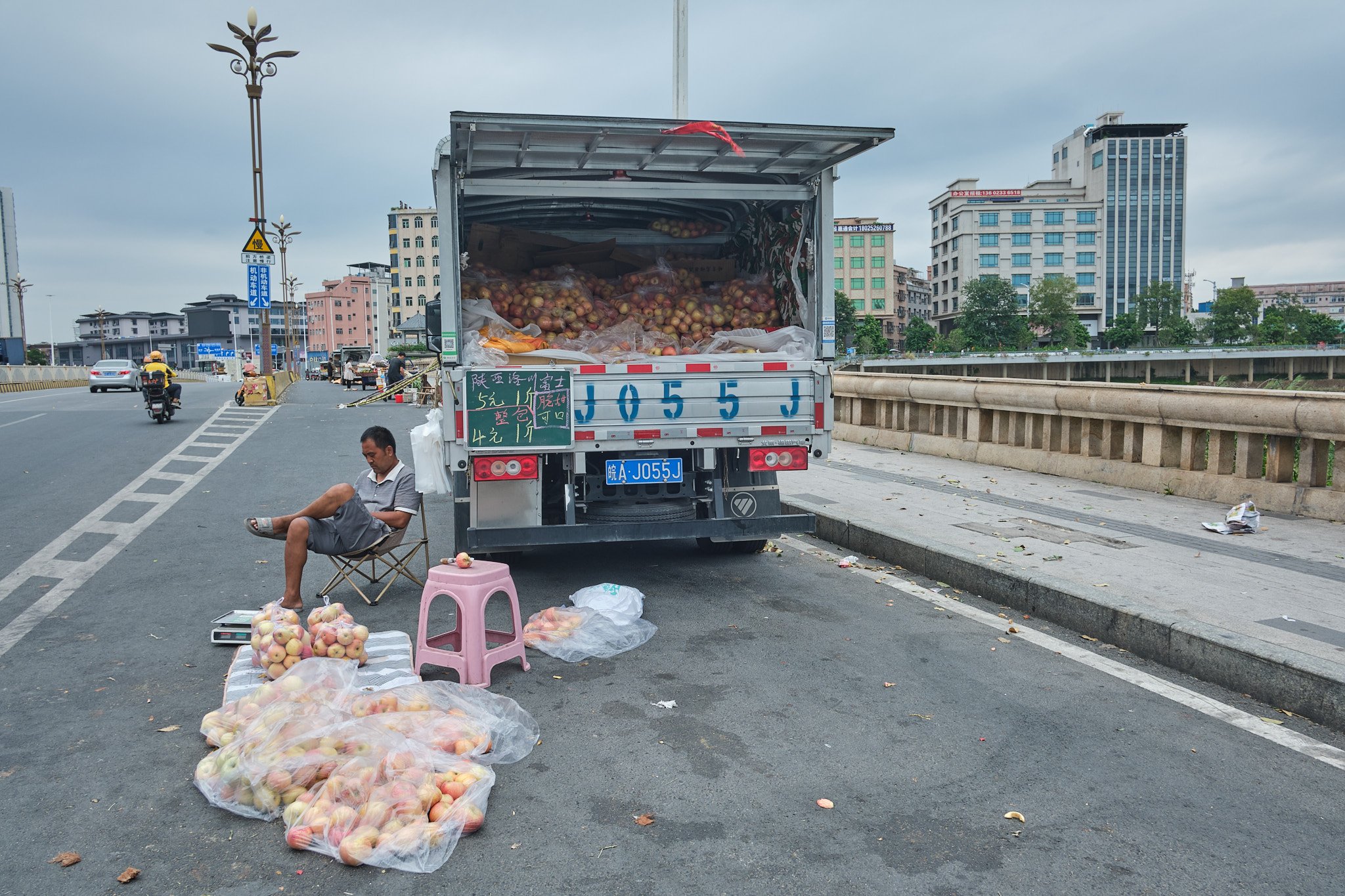
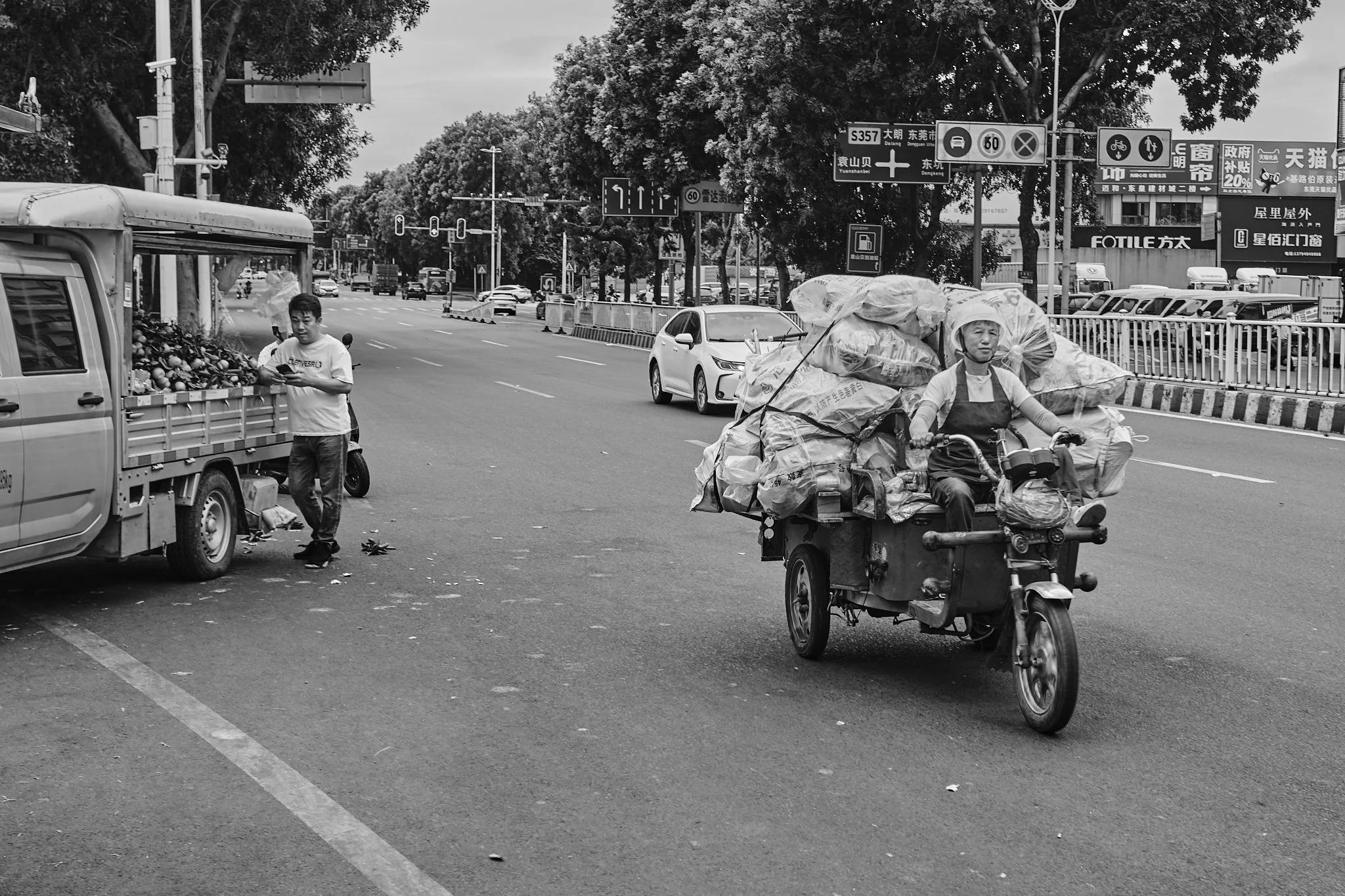
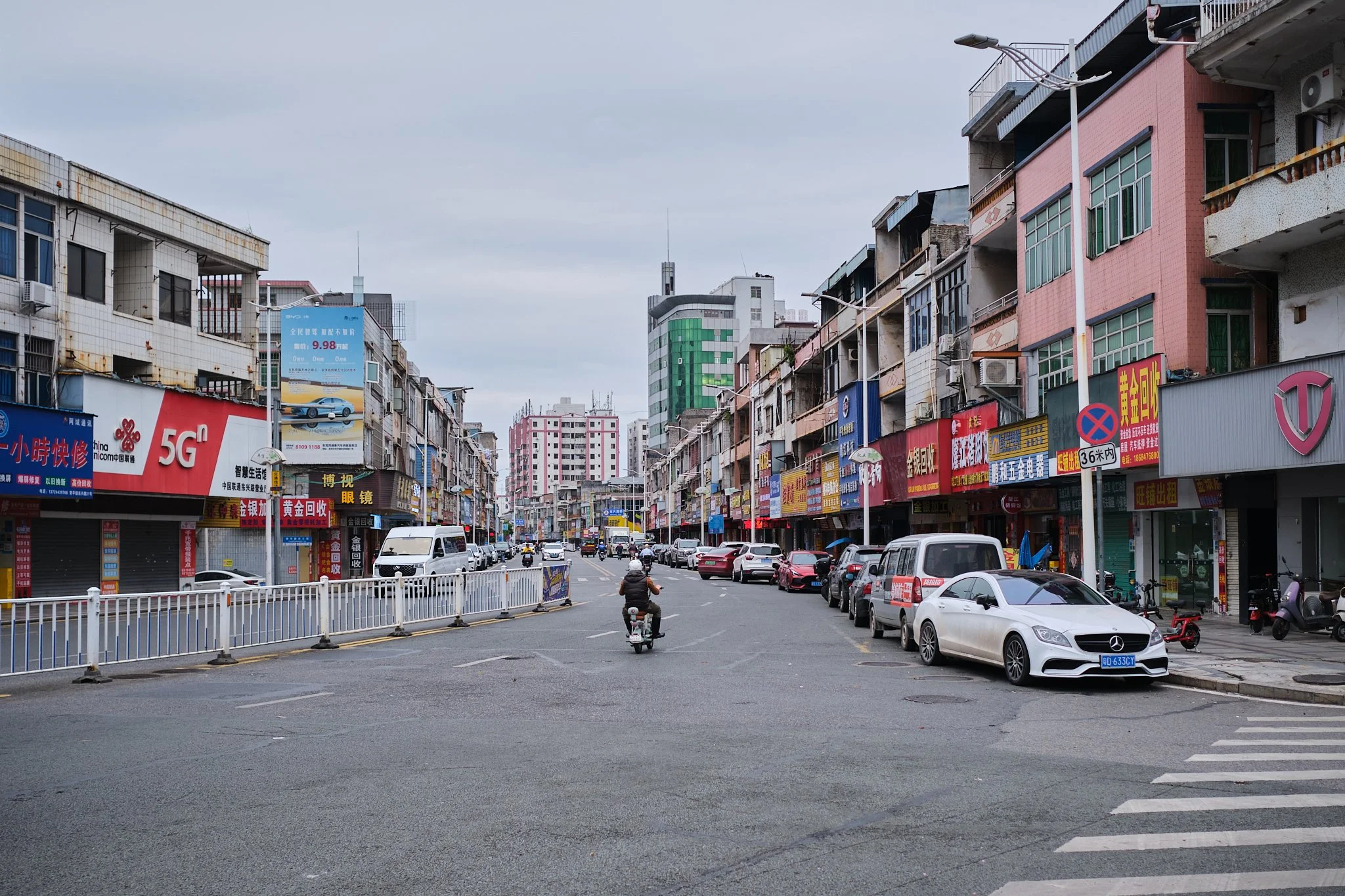
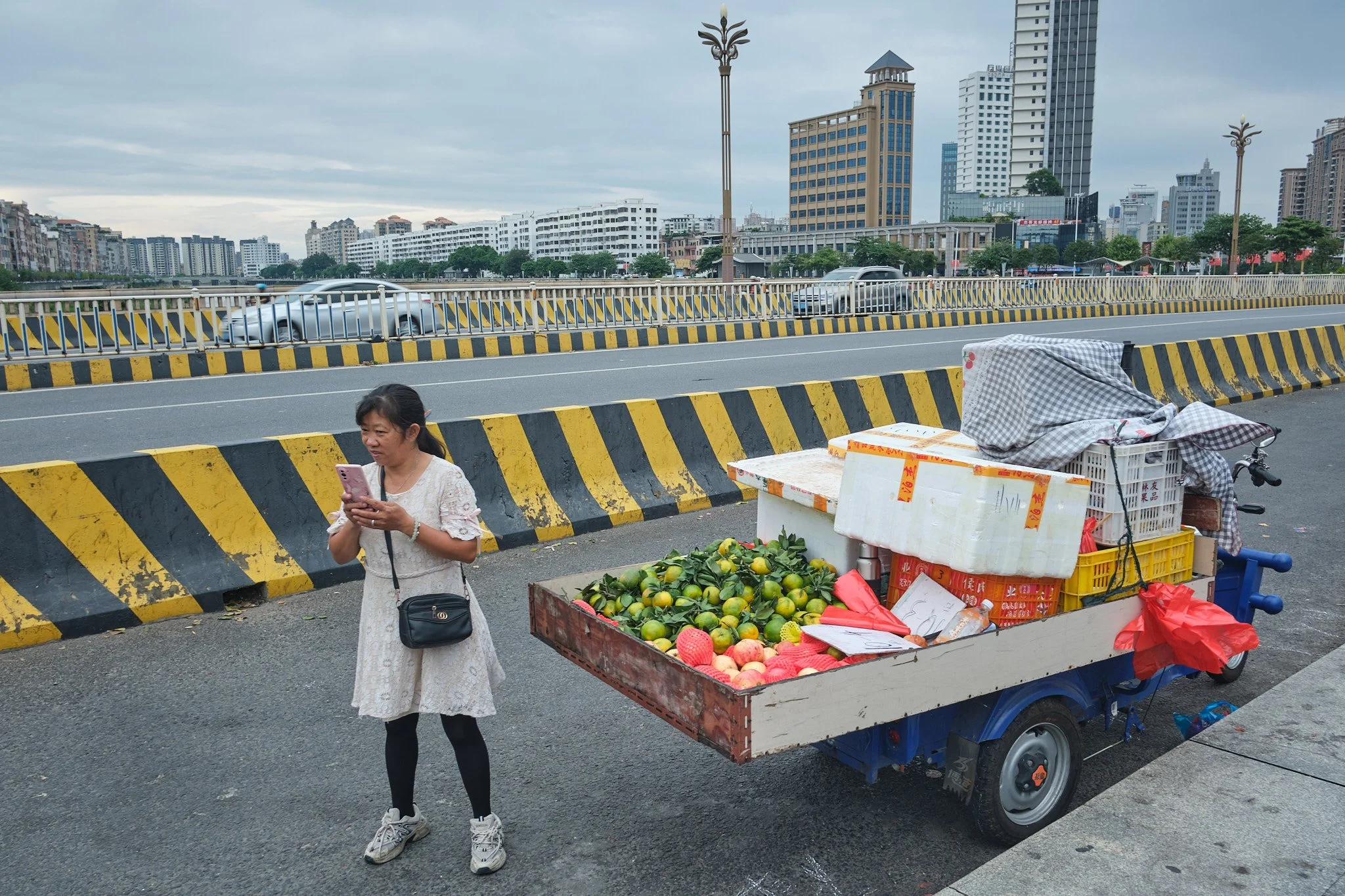
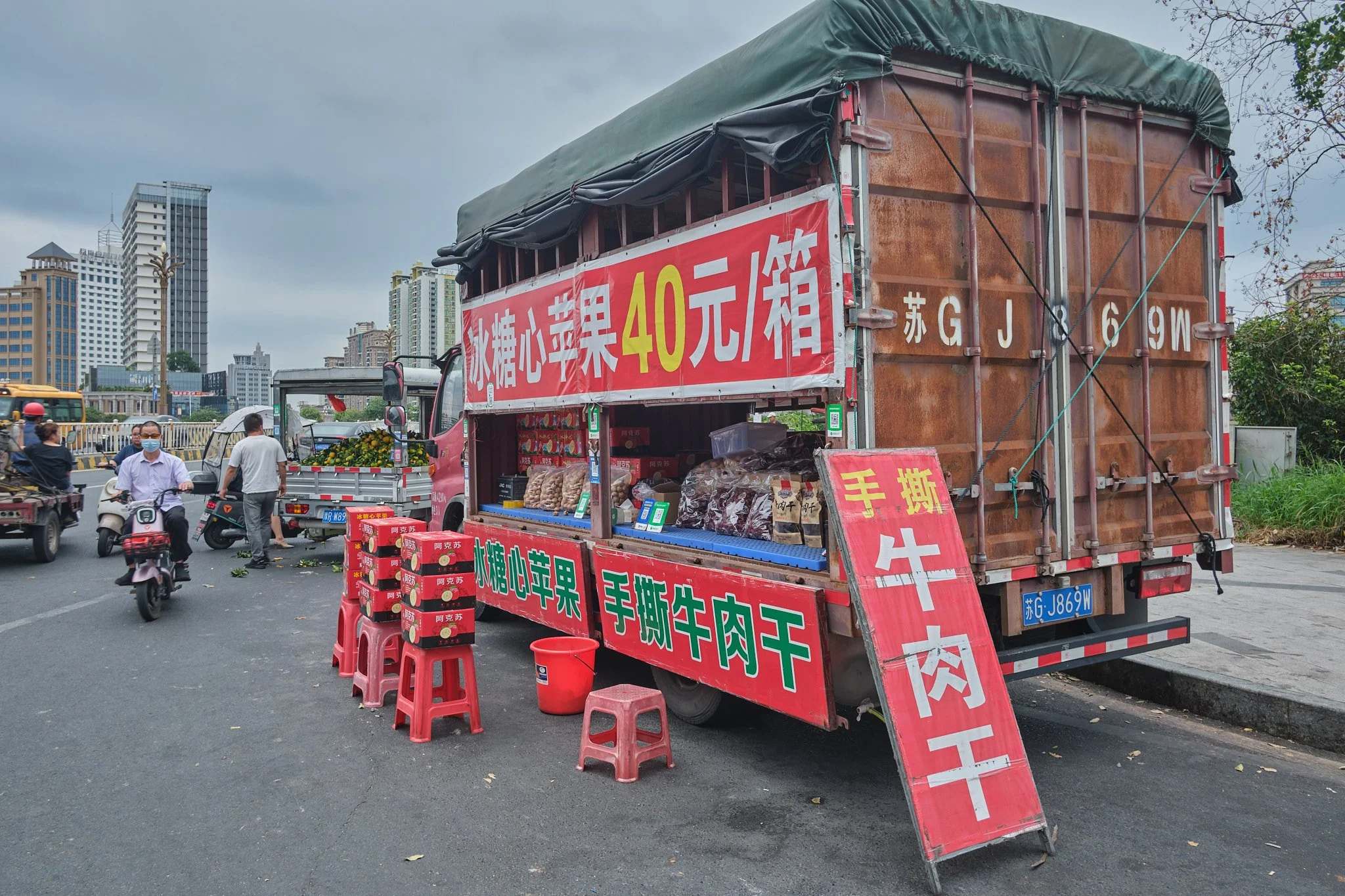
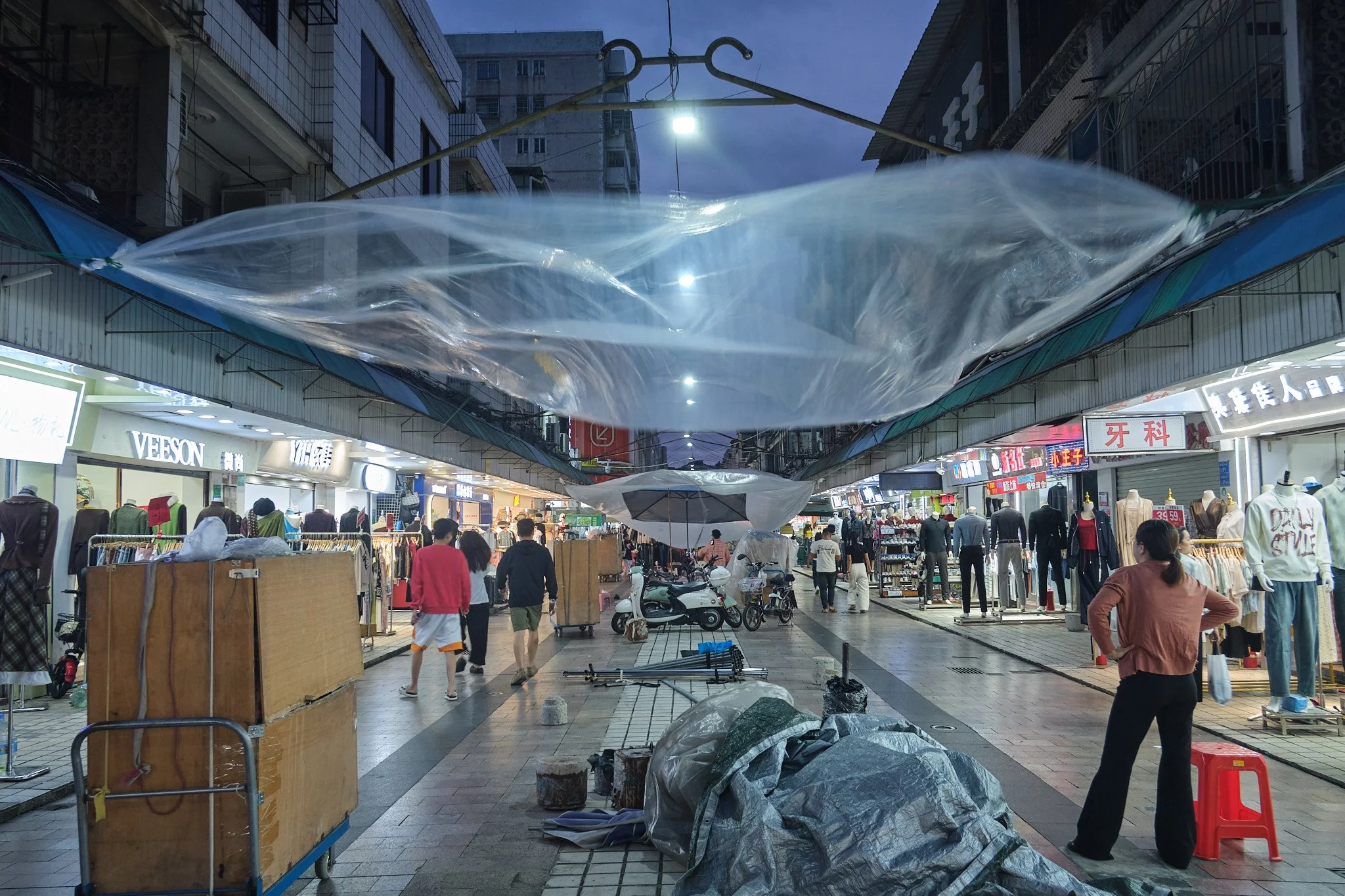
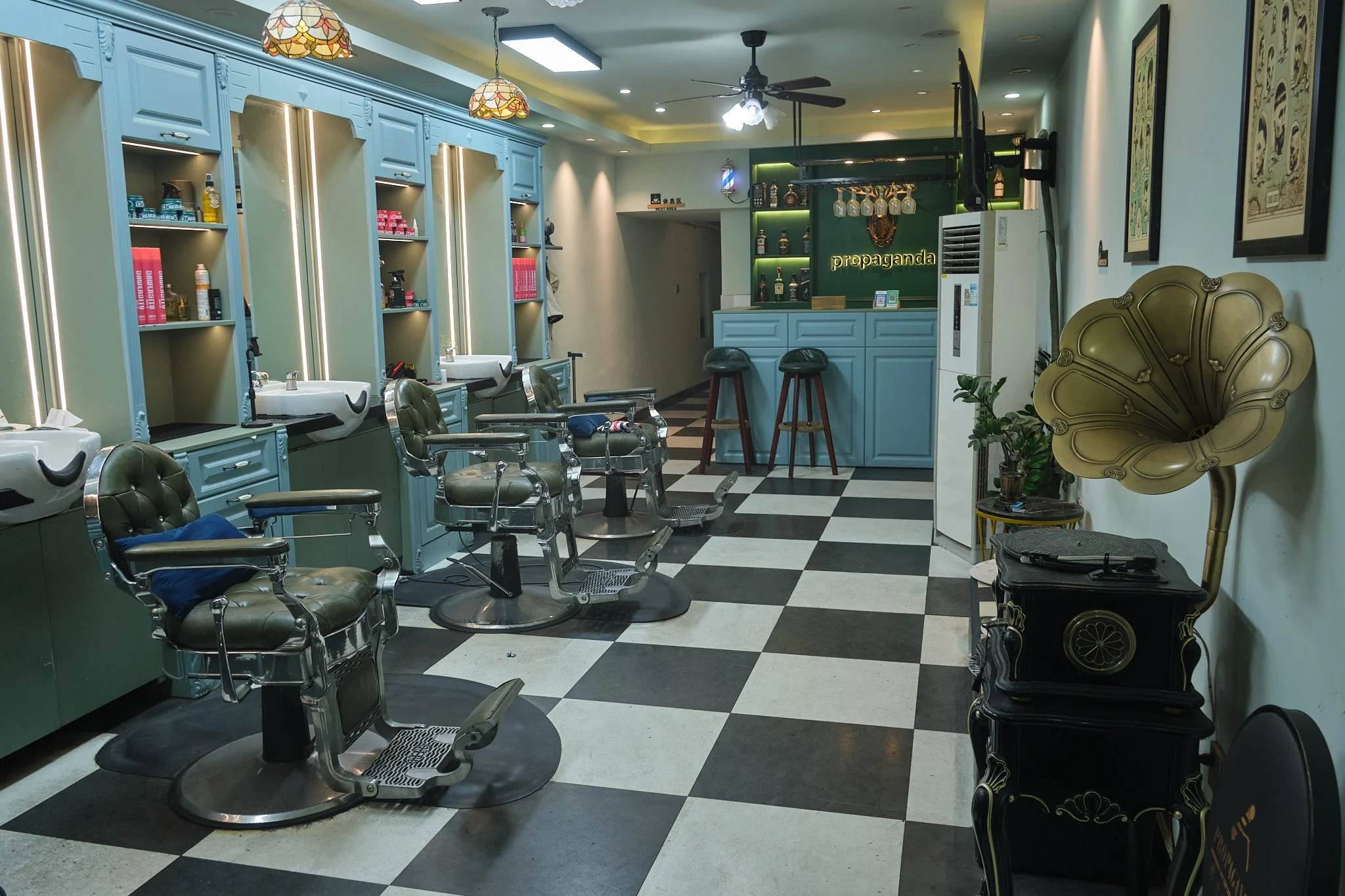
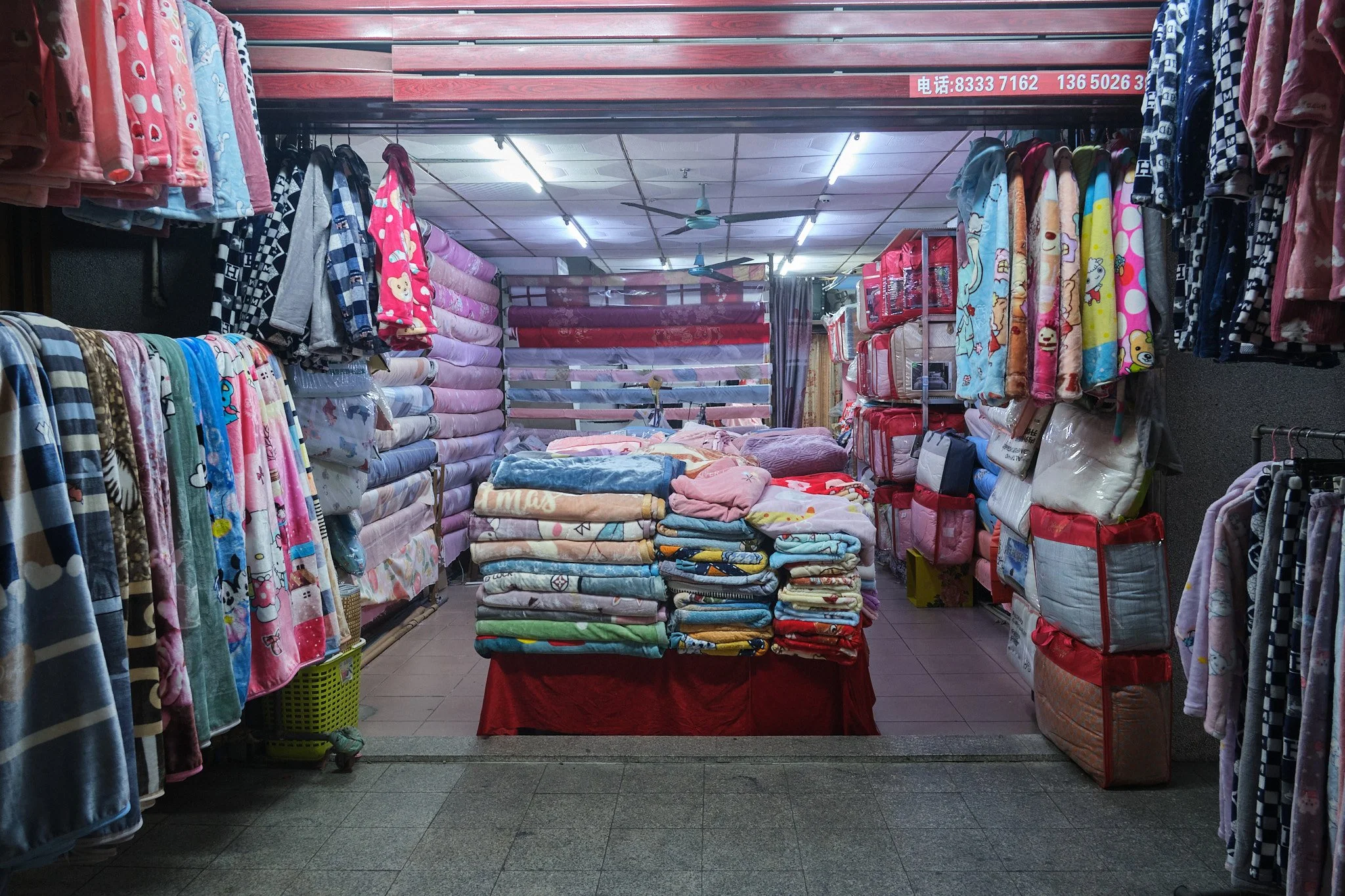
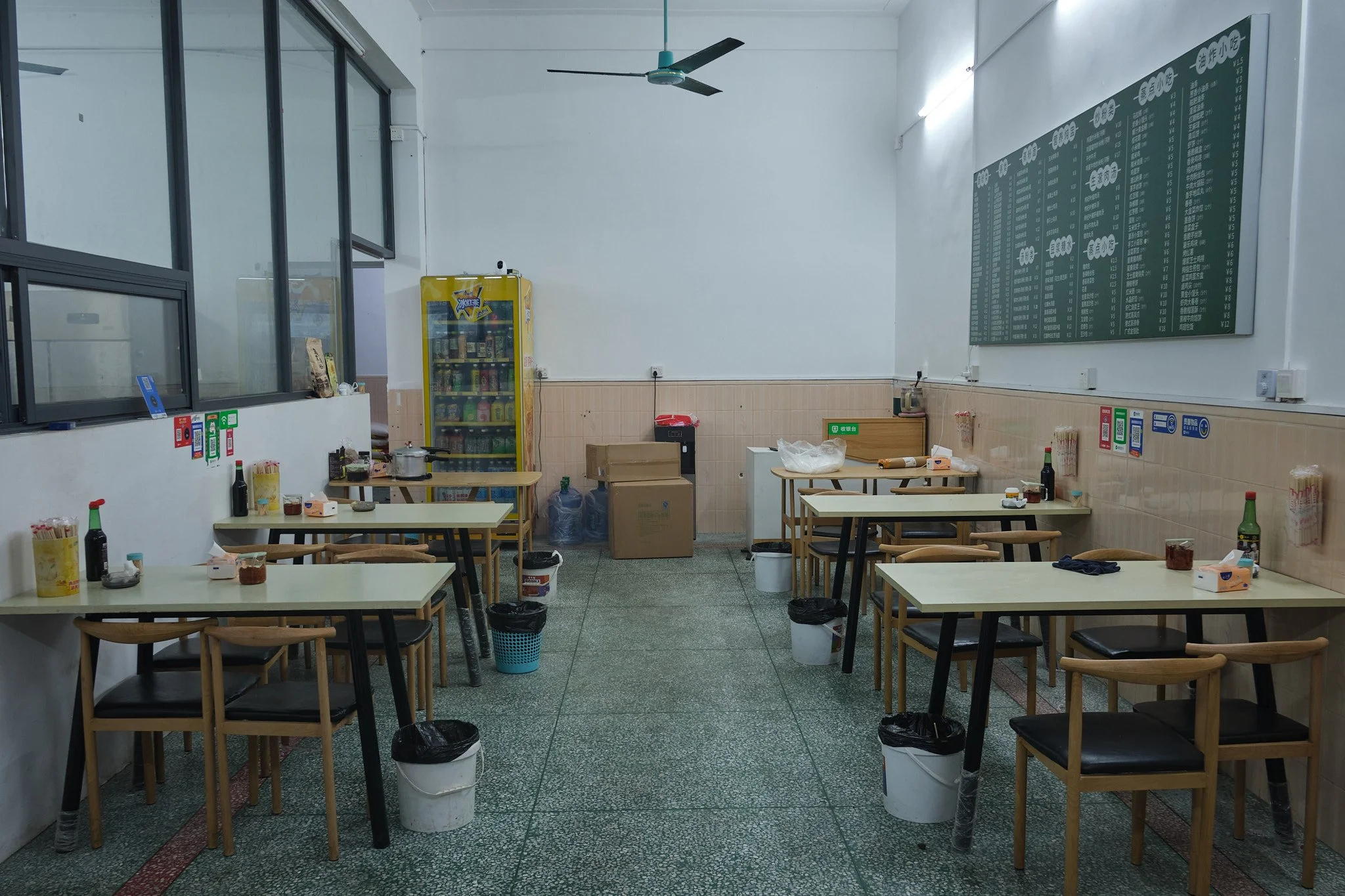
Before booming development reshaped the Pearl River Delta, Changping was a patchwork of riverside villages. Its transformation began with the Guangzhou–Shenzhen railway, which turned the town into a transportation and logistics hub. With that came factories, hotels, restaurants, and the energy of a place always in motion.
Today, Changping still carries that dual identity — part industrial engine, part classic Cantonese town filled with food traditions that haven’t changed in generations.
Changping Goose – The Star of the Show
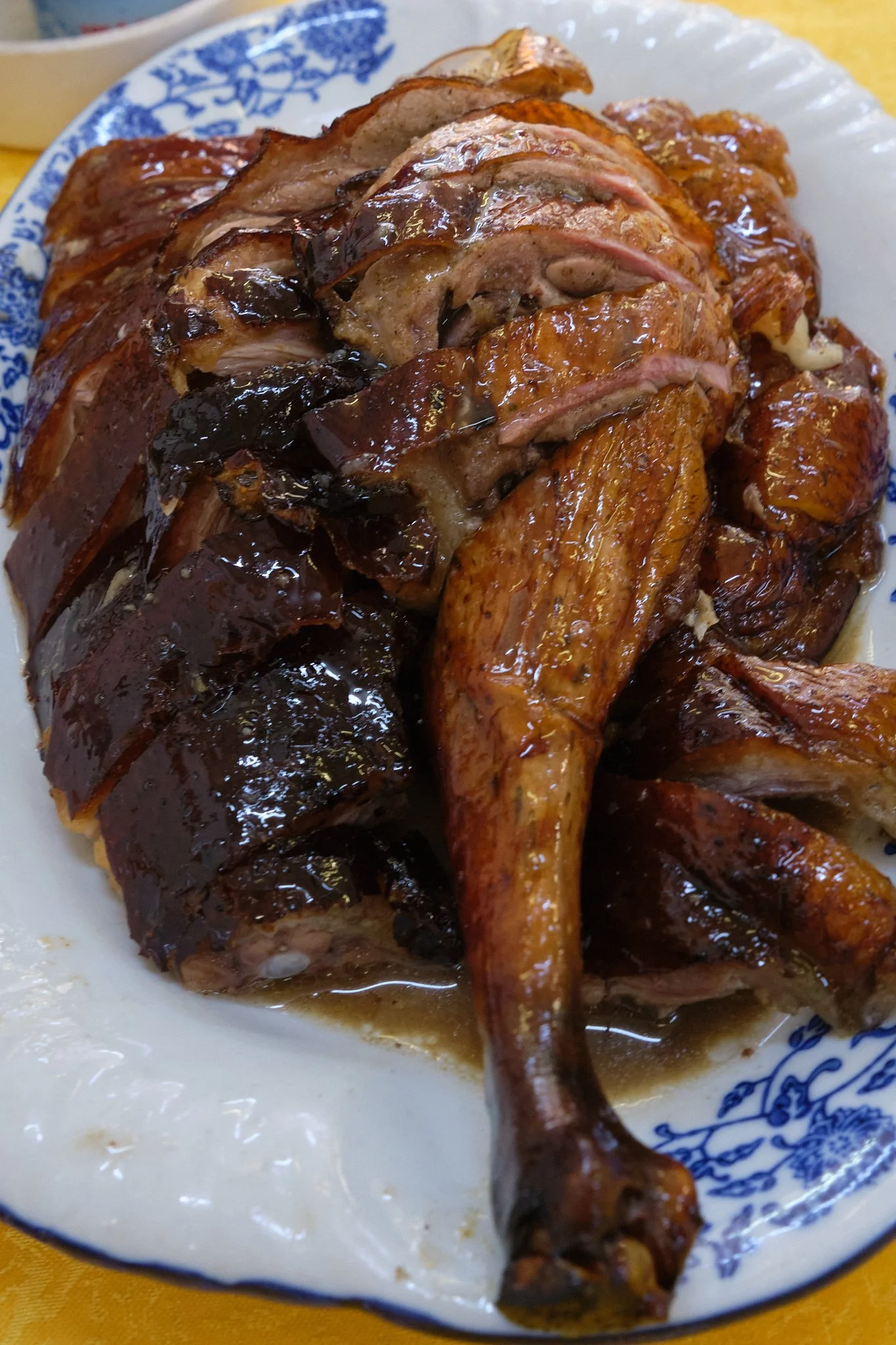
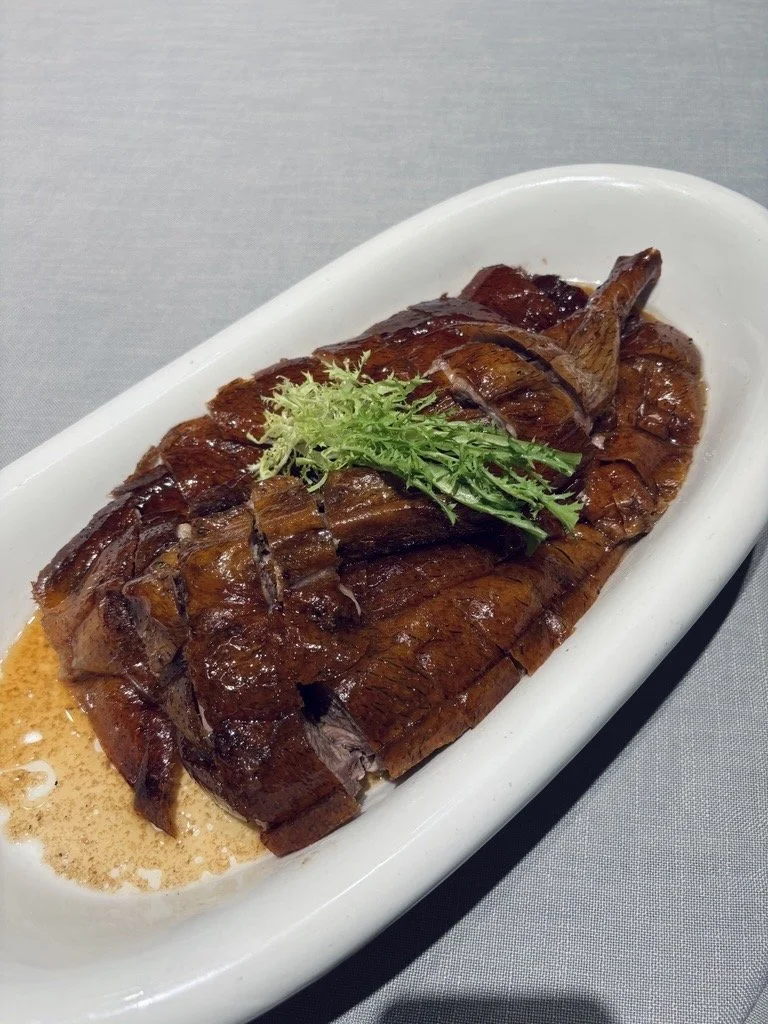
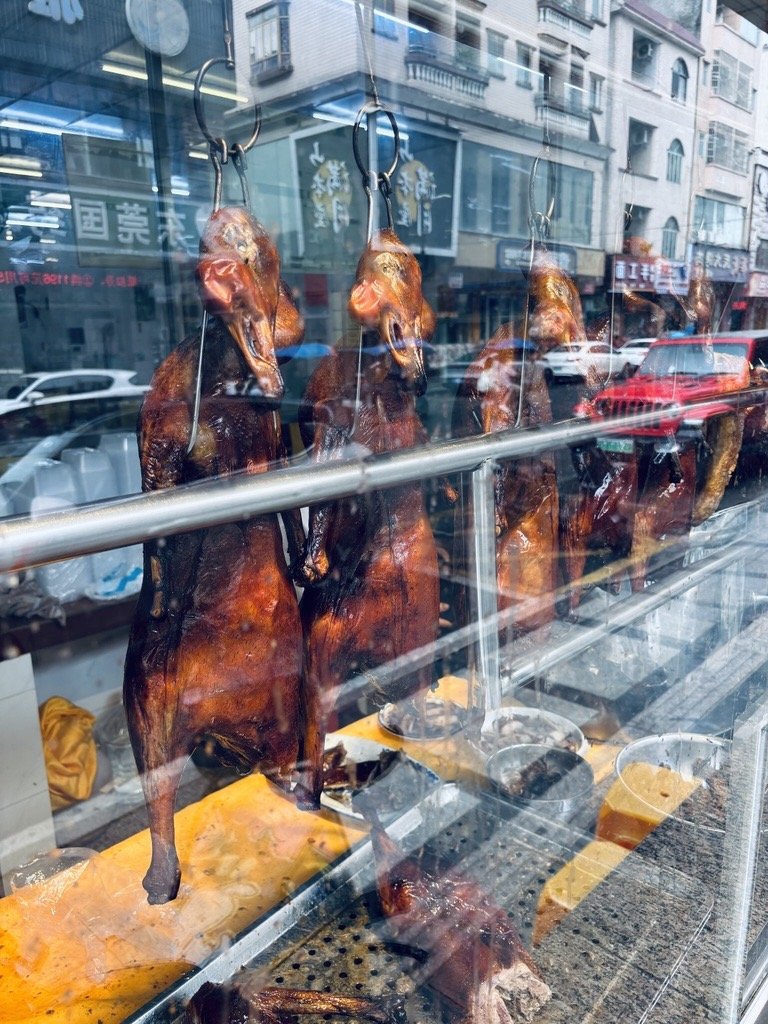
If Changping had a mascot, it would undoubtedly be a beautifully roasted goose. Cantonese-style goose is famous across the region, but locals insist Changping’s is on another level — crisp bronze skin, tender meat, and a glossy layer of savory jus that melts right into your rice or noodles.
Restaurants hang their geese proudly in front windows, glowing under warm lights. The process is precise: air-drying, roasting, basting, chopping. Cleavers hit wooden blocks in rhythmic thunks that echo down the street — a soundtrack we heard daily.
Bubble Tea Heaven
Bubble tea here isn’t just a drink — it’s a lifestyle. Changping is overflowing with shops: HeyTea, Mixue, Cha Bai Dao, Coco, and dozens of little mom-and-pop storefronts blending fruit teas with fresh pieces of grapefruit or layering cheese foam over roasted oolong.
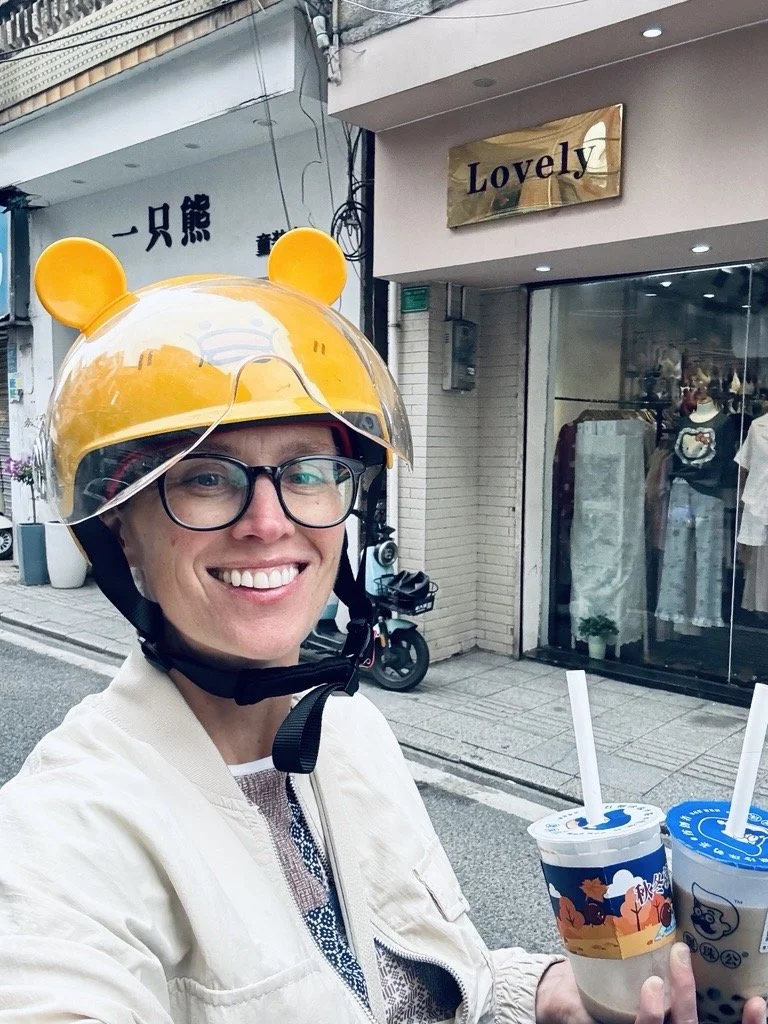
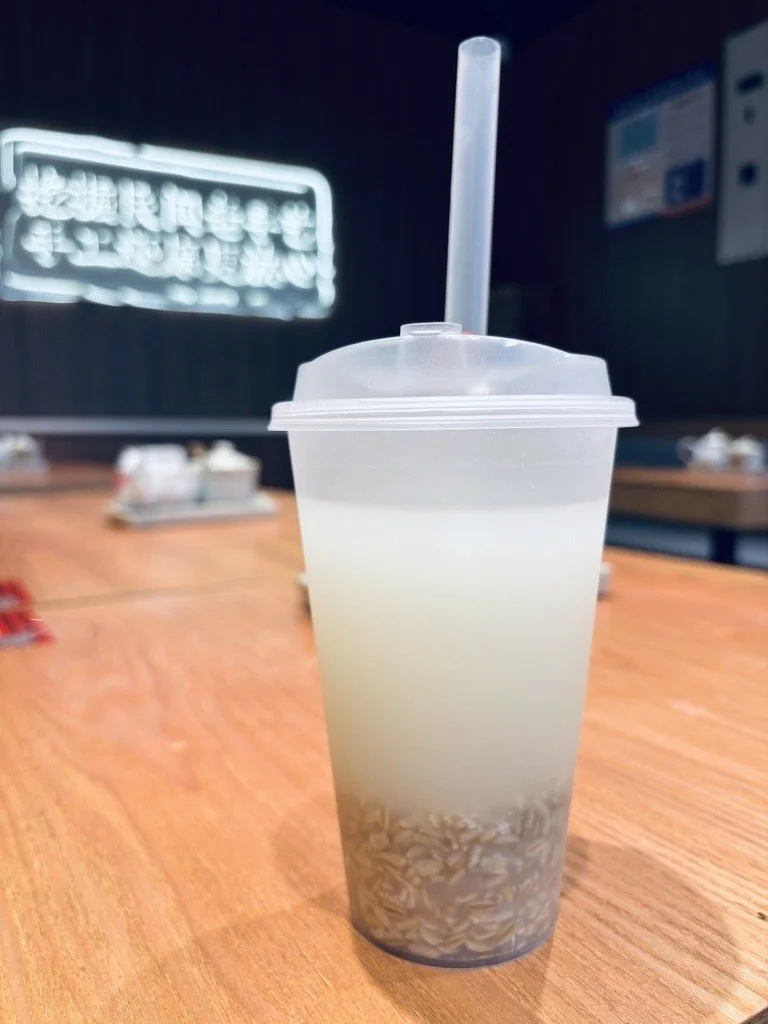
Our most-ordered lineup over the week:
Brown sugar boba milk
Grapefruit jasmine iced tea
Cheese-foam oolong (dangerously addictive)
Grabbing a cup and strolling the streets became part of our daily rhythm.
The Local Meat & Vegetable Market
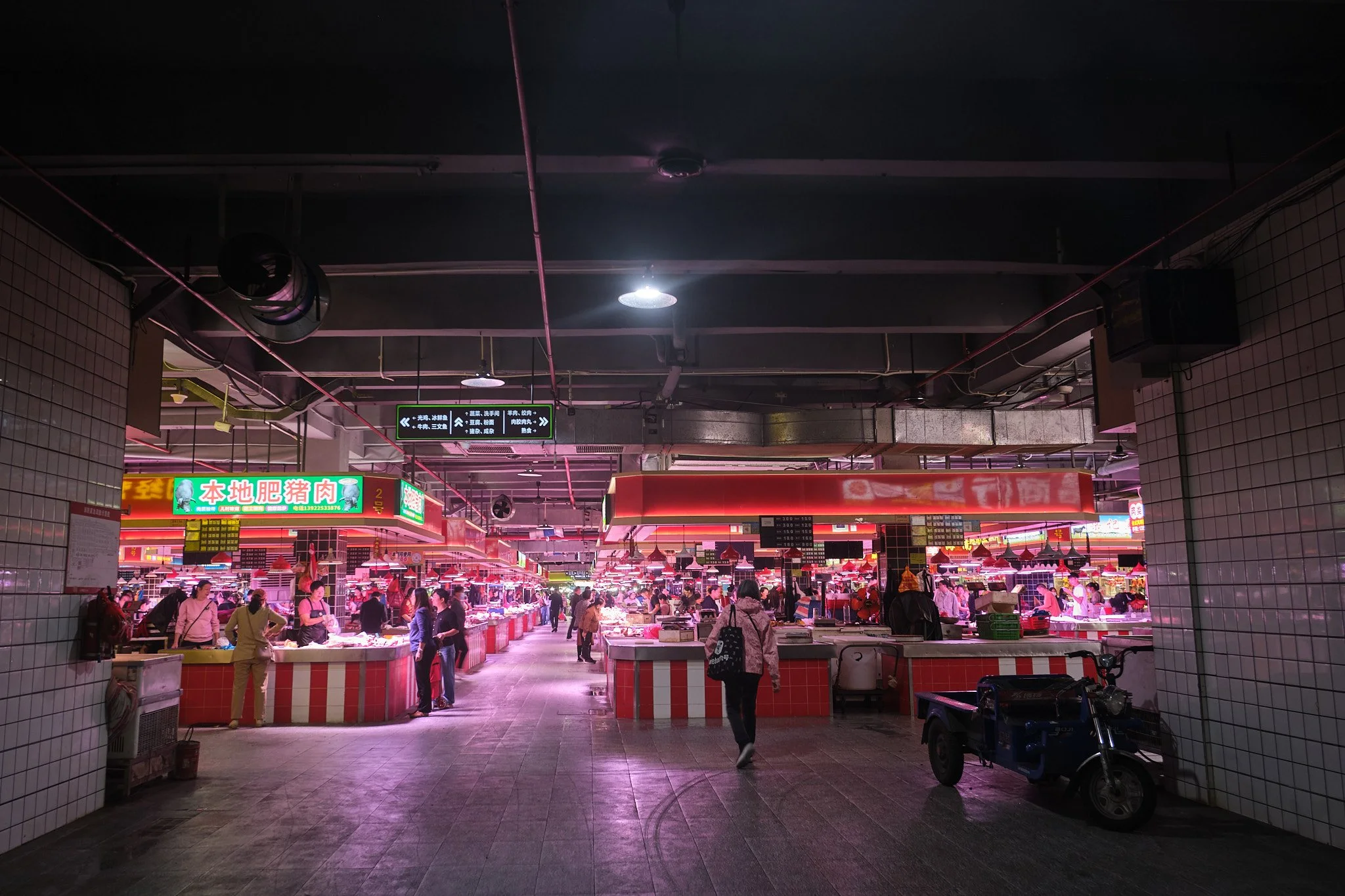
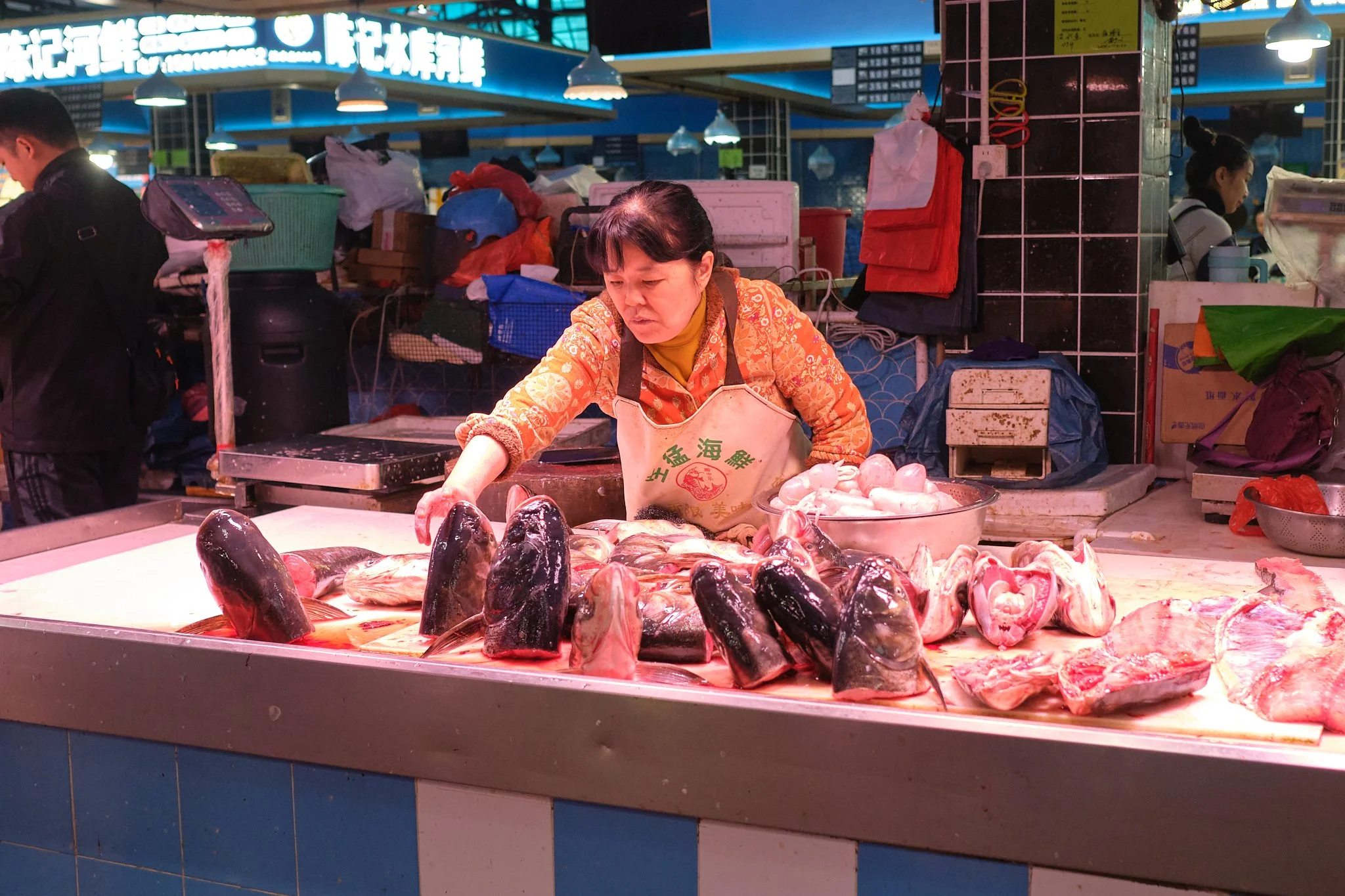
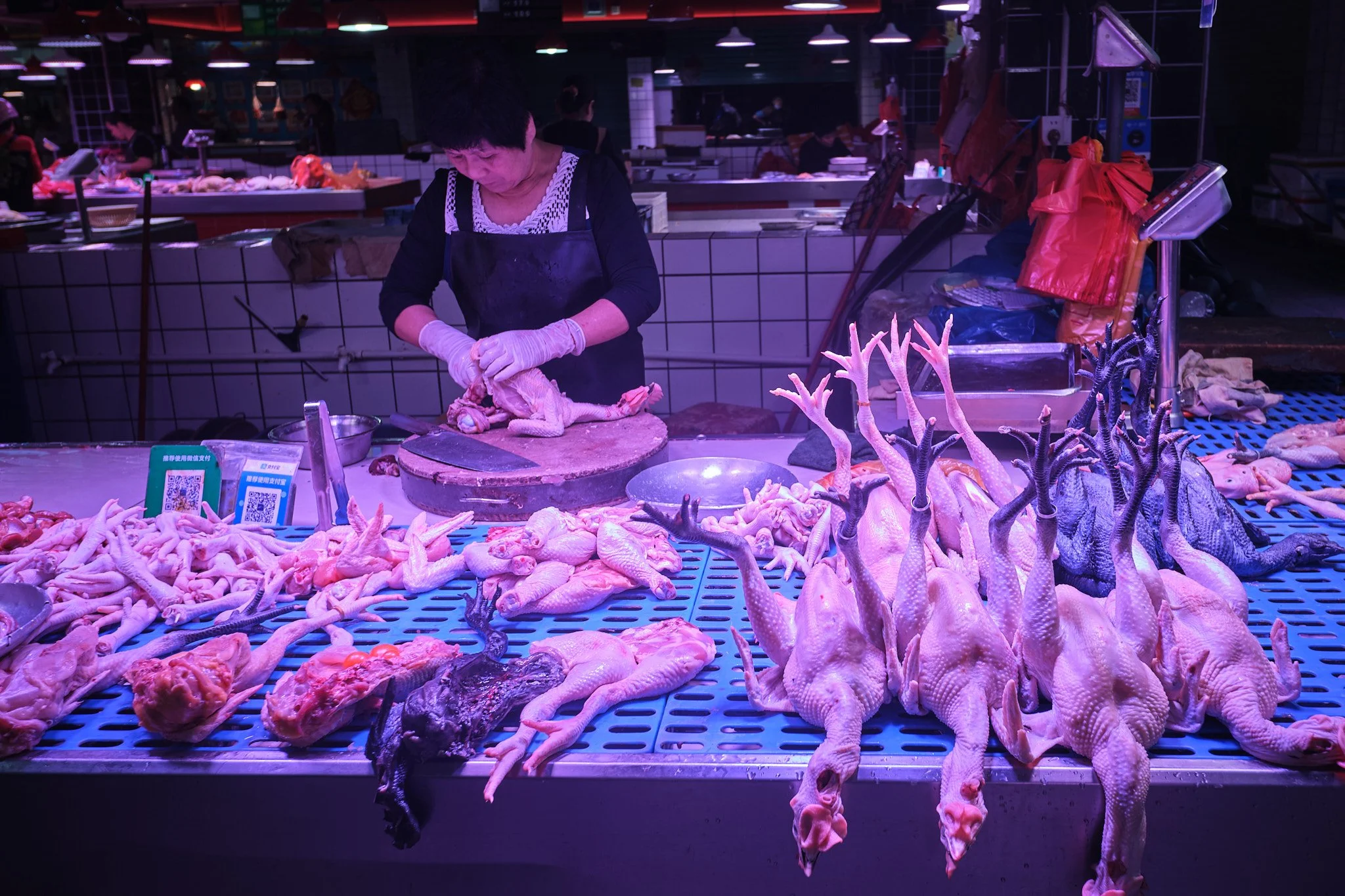
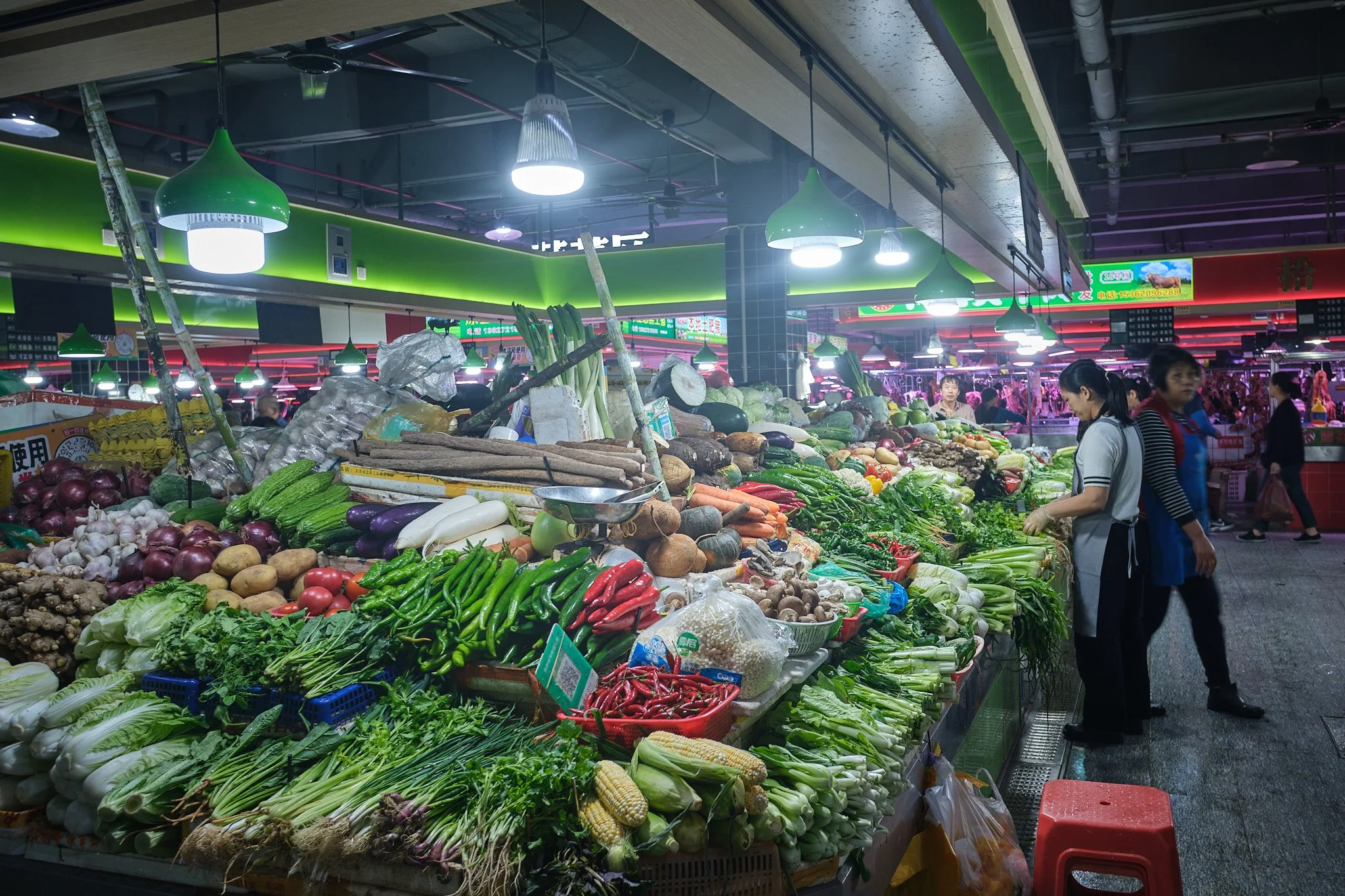
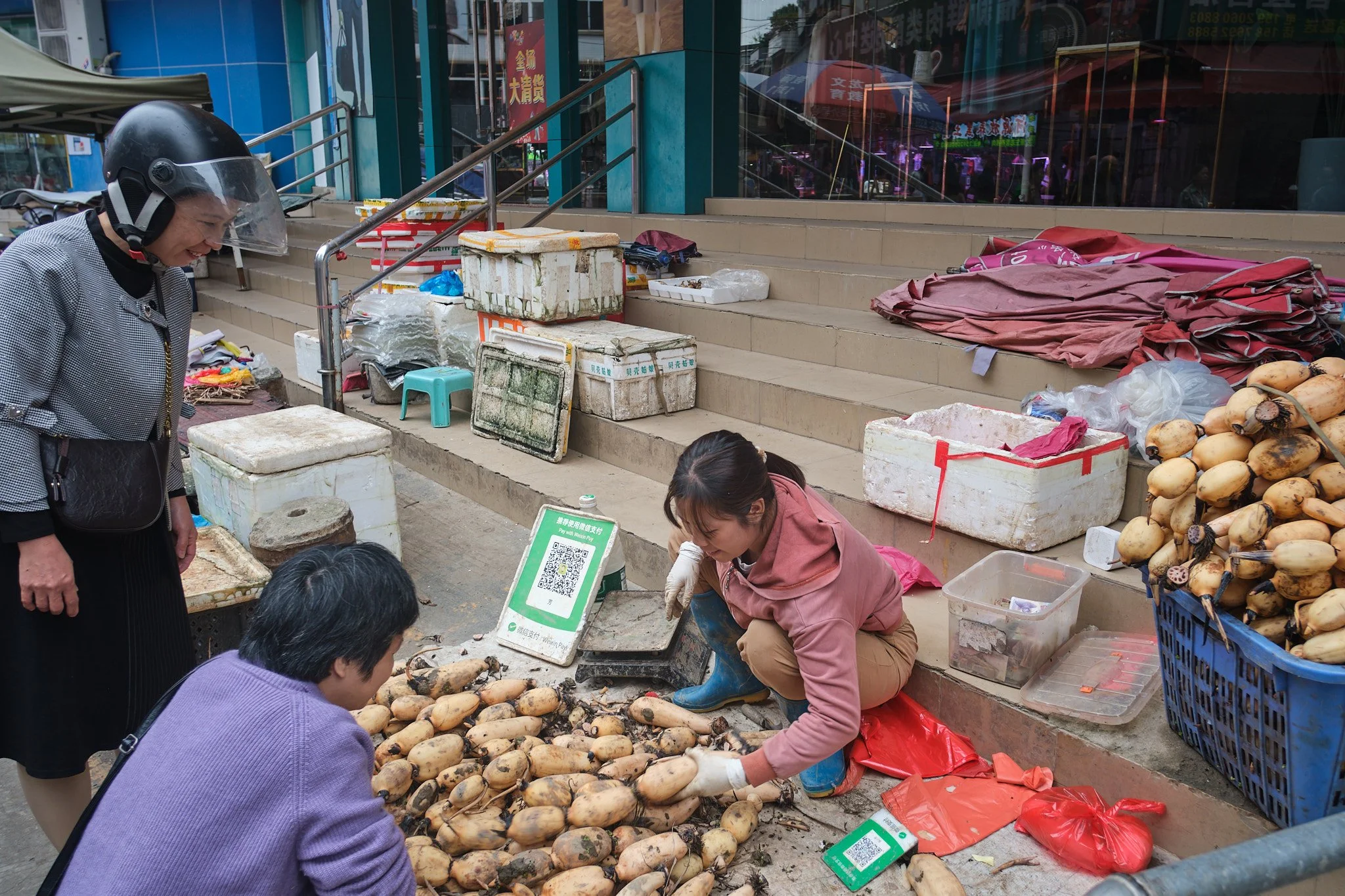
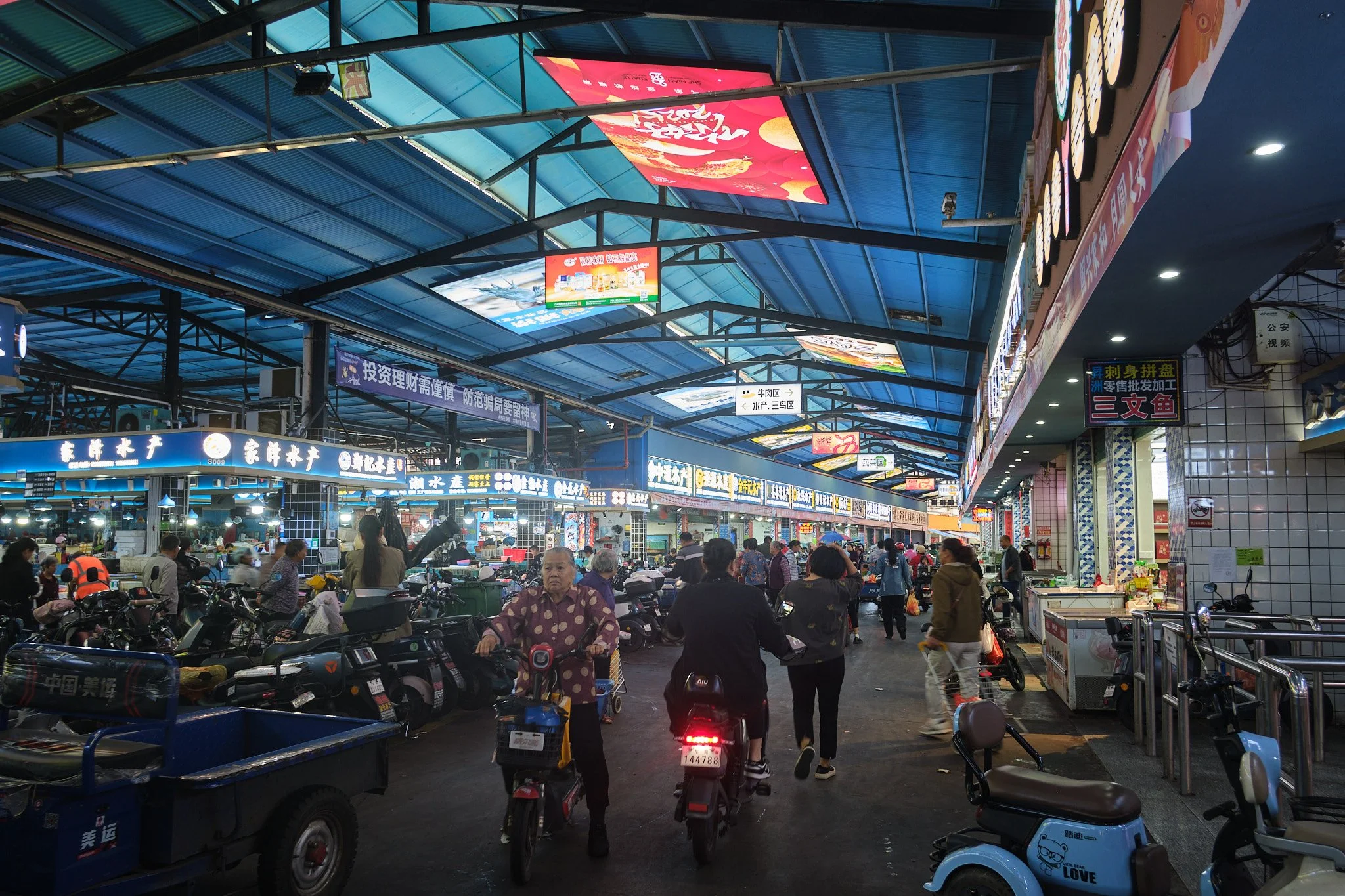
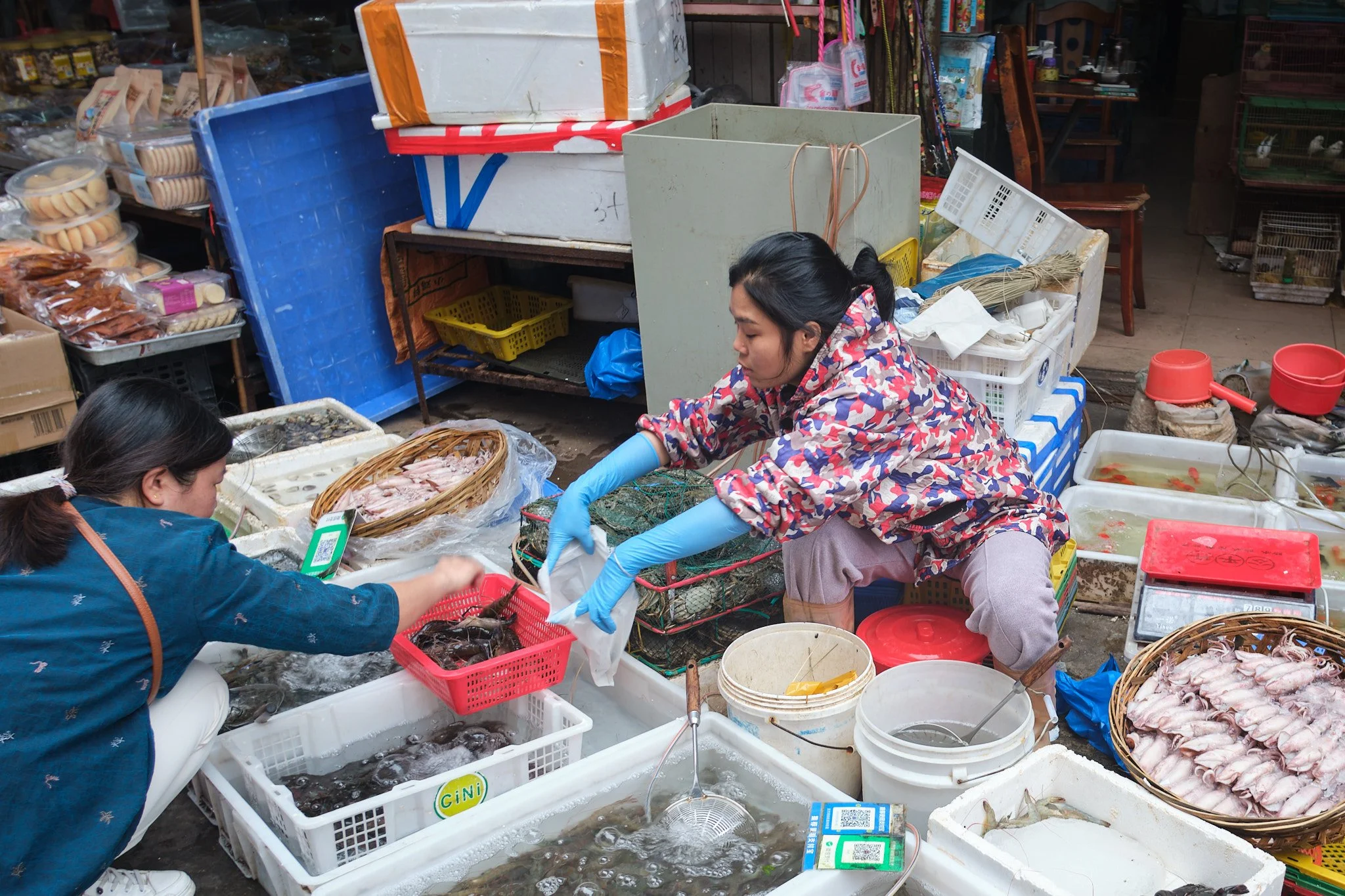
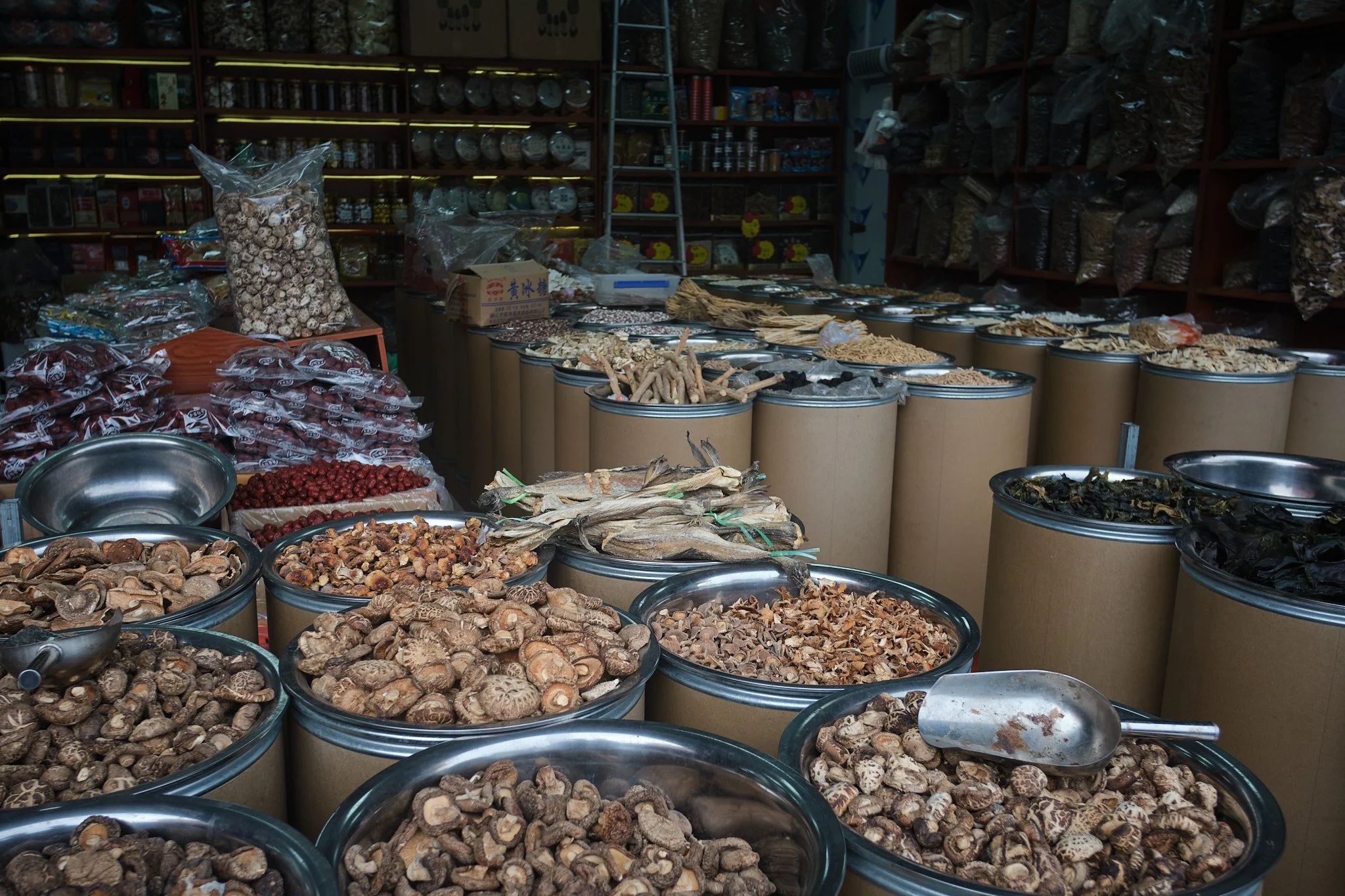
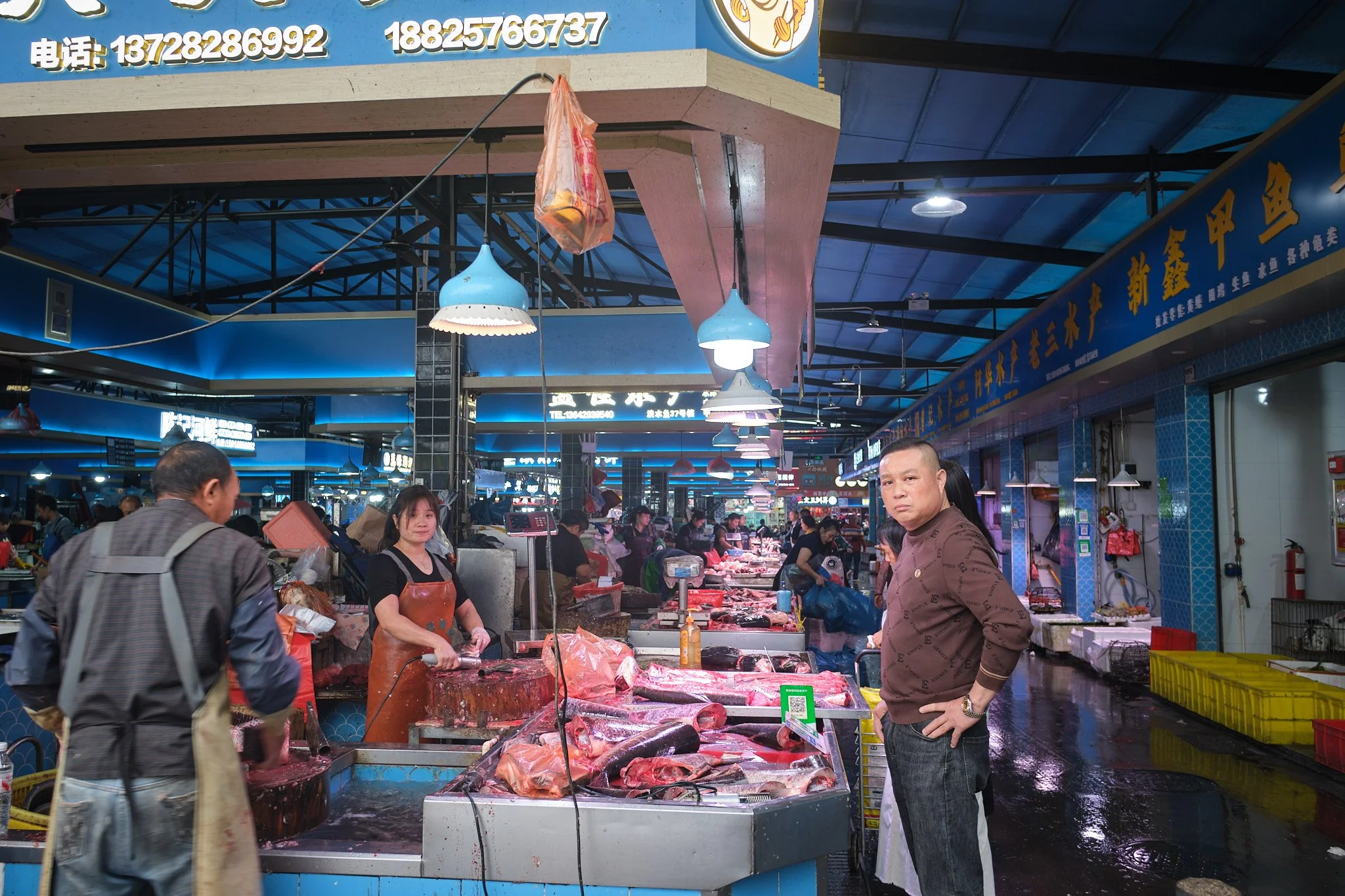
One of our favorite discoveries in Changping was the local wet market, a sprawling maze of food stalls that pulses with early-morning energy. This is where the city feels the most local — where families shop for the day’s ingredients and vendors greet regulars by name.
Inside you’ll find:
Butchers slicing fresh pork, chicken, and duck
Live seafood splashing in plastic tubs
Stacks of bok choy, chives, lotus root, winter melon, and leafy greens
Fruit stalls overflowing with dragon fruit, longan, lychee, pomelo, and oranges
Spice tables selling dried chilies, Sichuan peppercorn, and cured sausages
The market is vibrant, noisy, a little chaotic — and absolutely worth wandering through. We walked away with snacks, fresh fruit, and a deeper sense of how everyday life unfolds here.
An Afternoon Wandering Through Qing Dynasty Gardens
After a business meeting in Dongguan, my colleague took me for a stroll through the Qing Dynasty Gardens—a welcome shift from boardrooms and schedules to something far more calming. Despite a light rain drifting through the gardens, it only added to the atmosphere, cooling the air and softening the sounds around me.
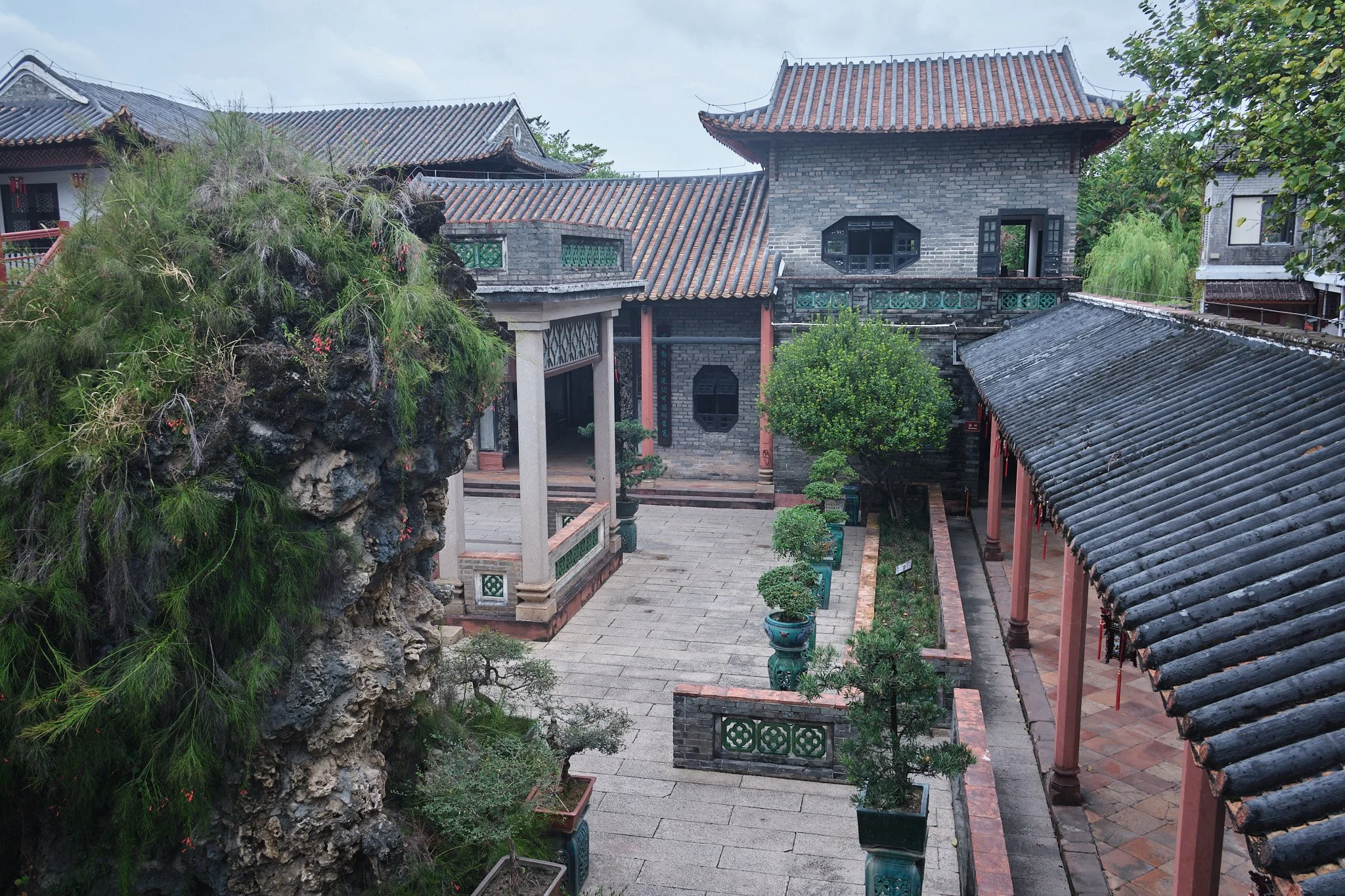
Stepping through the gates felt like slipping into a different rhythm, one where time slows and every detail seems intentional. Raindrops dimpled the surface of the ponds, stone paths darkened with moisture, and the gardens took on an almost cinematic quality. Winding paths led past tranquil water features, weathered stone bridges, and elegant pavilions that framed the scenery like living paintings.
What struck me most was how intimate the space felt. Even with the rain—or perhaps because of it—the gardens invited quiet observation rather than hurried exploration. I lingered under covered corridors, watched koi ripple the water below, and imagined scholars once sheltering from similar showers, writing poetry or debating philosophy amid the calm of a Qing-era landscape.
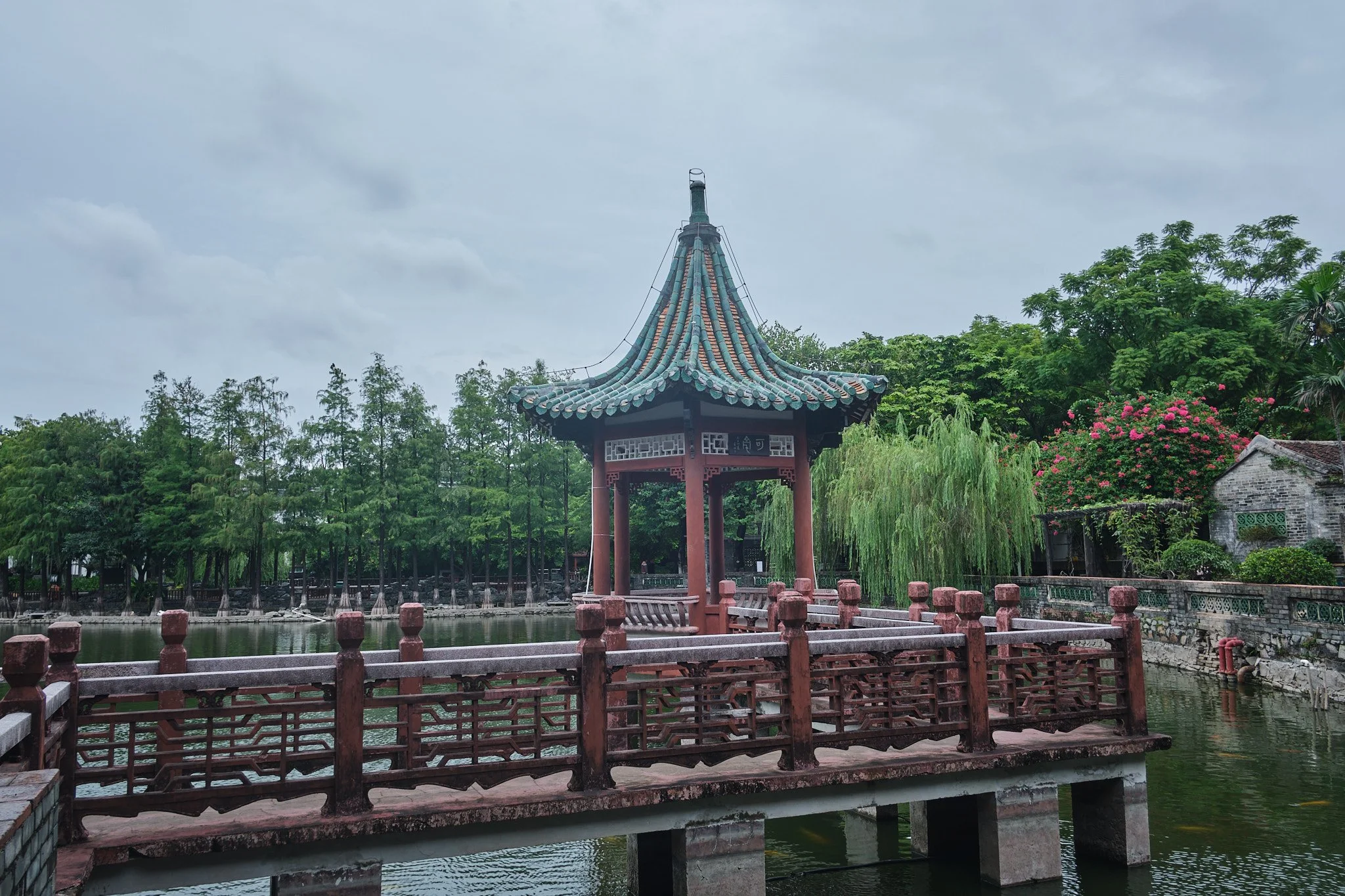
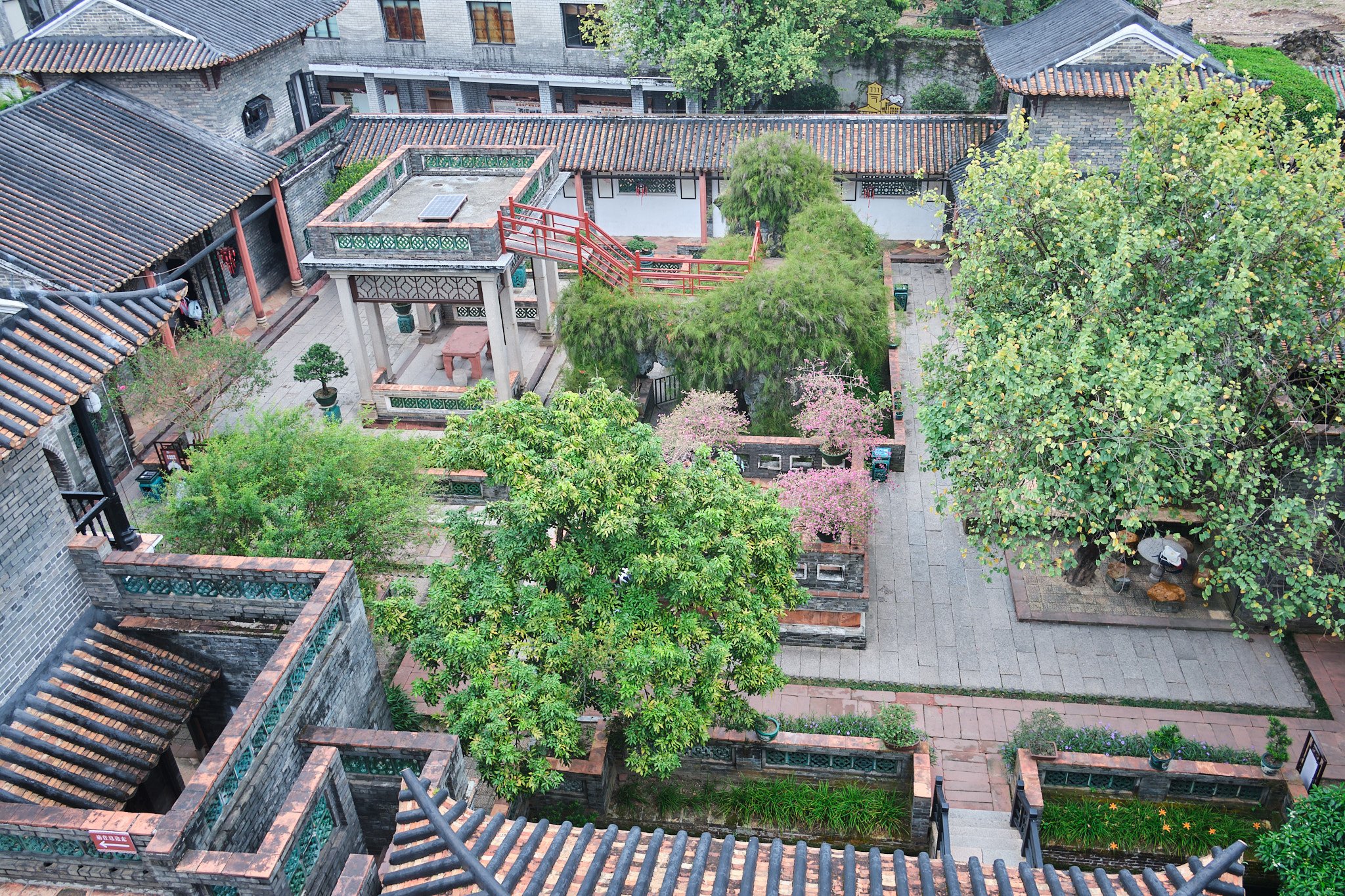
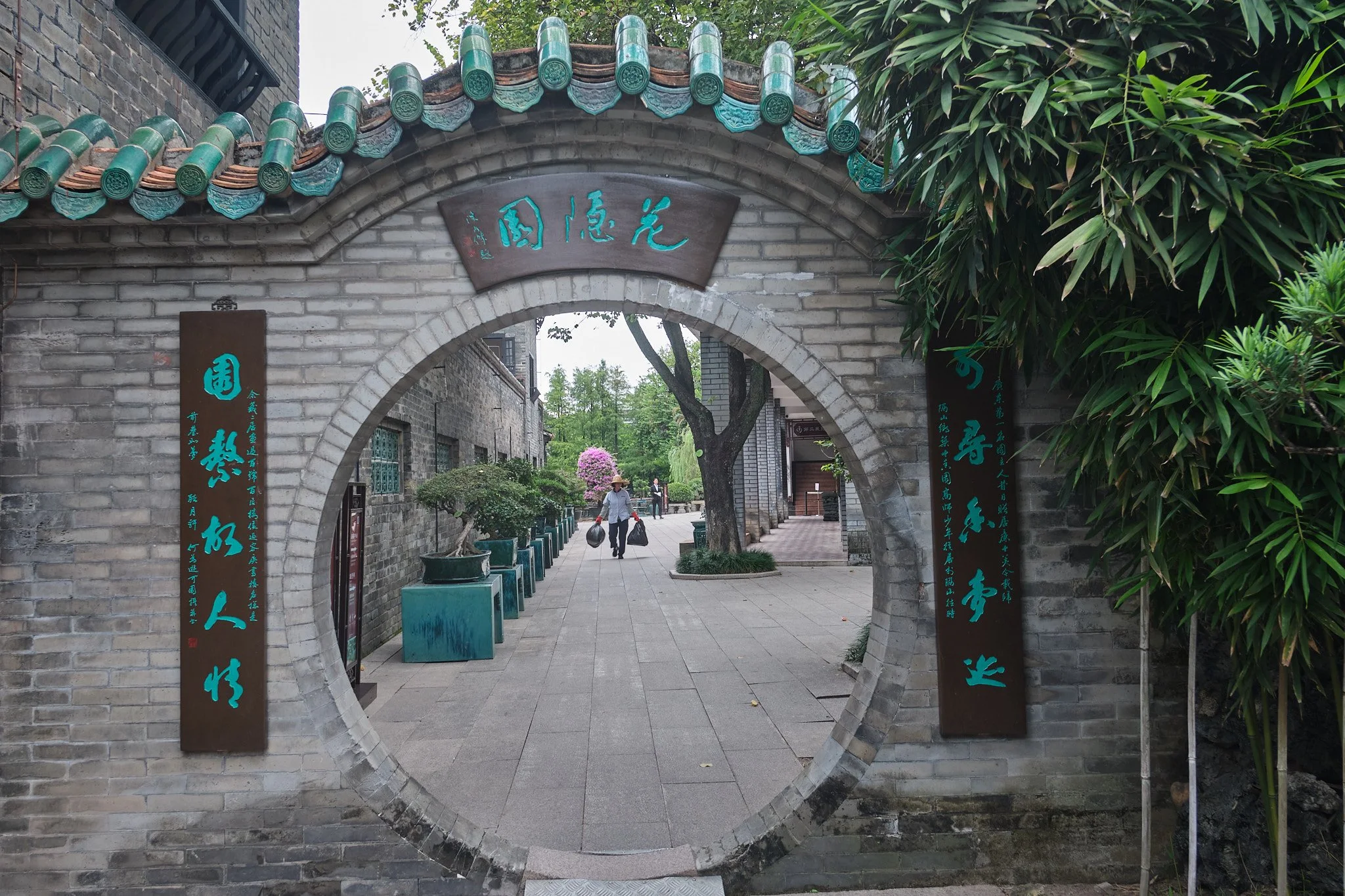
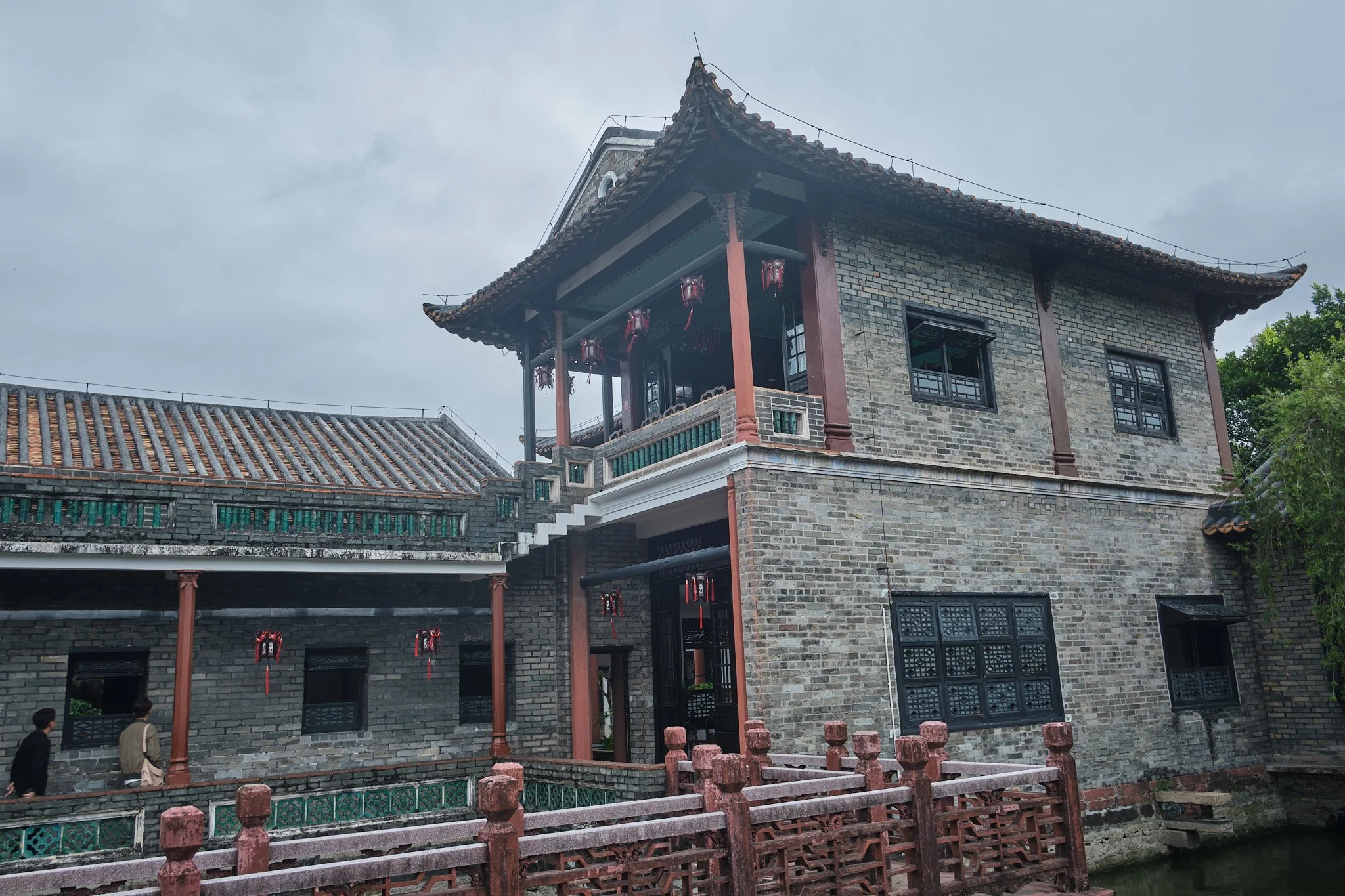
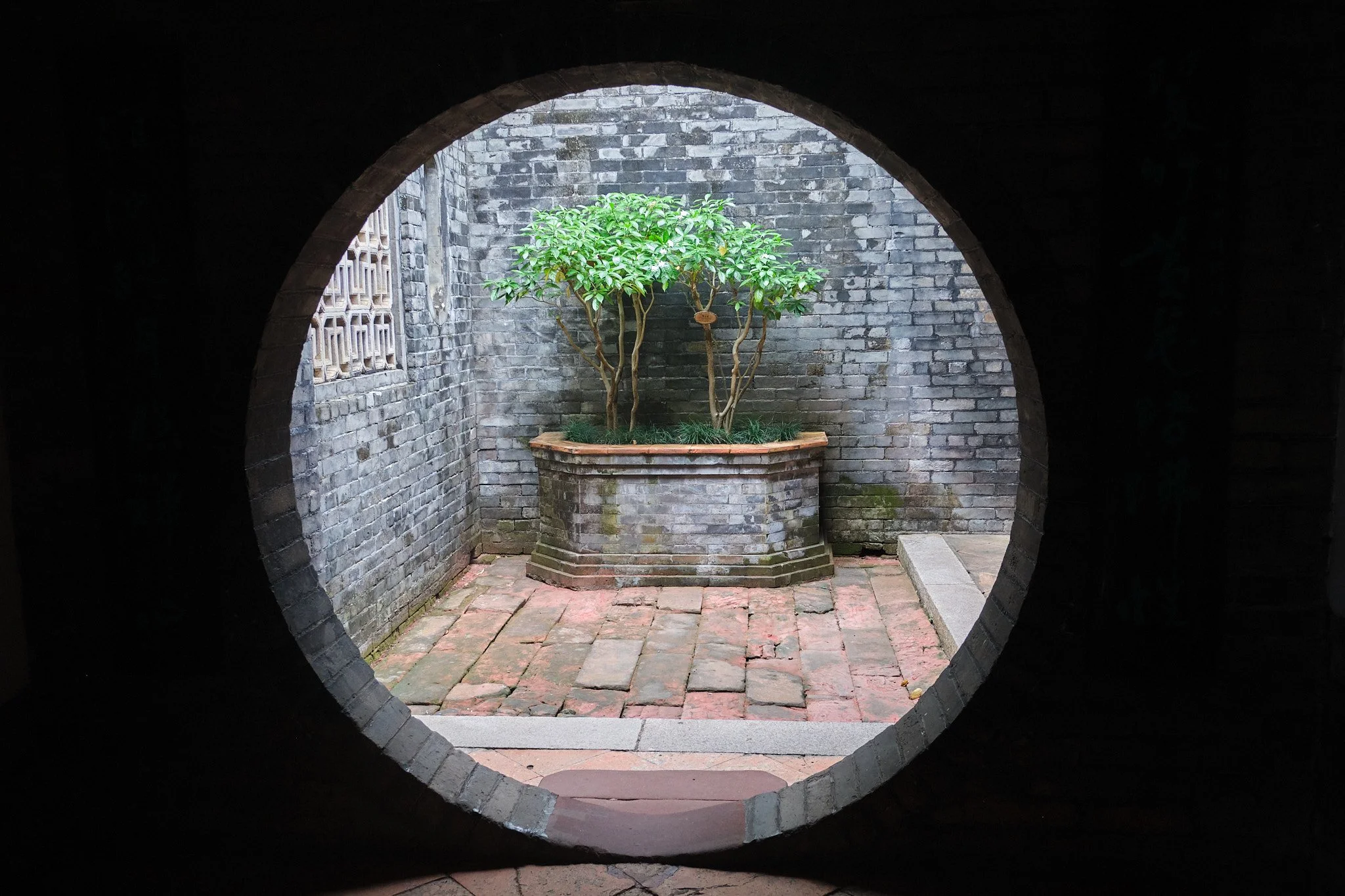
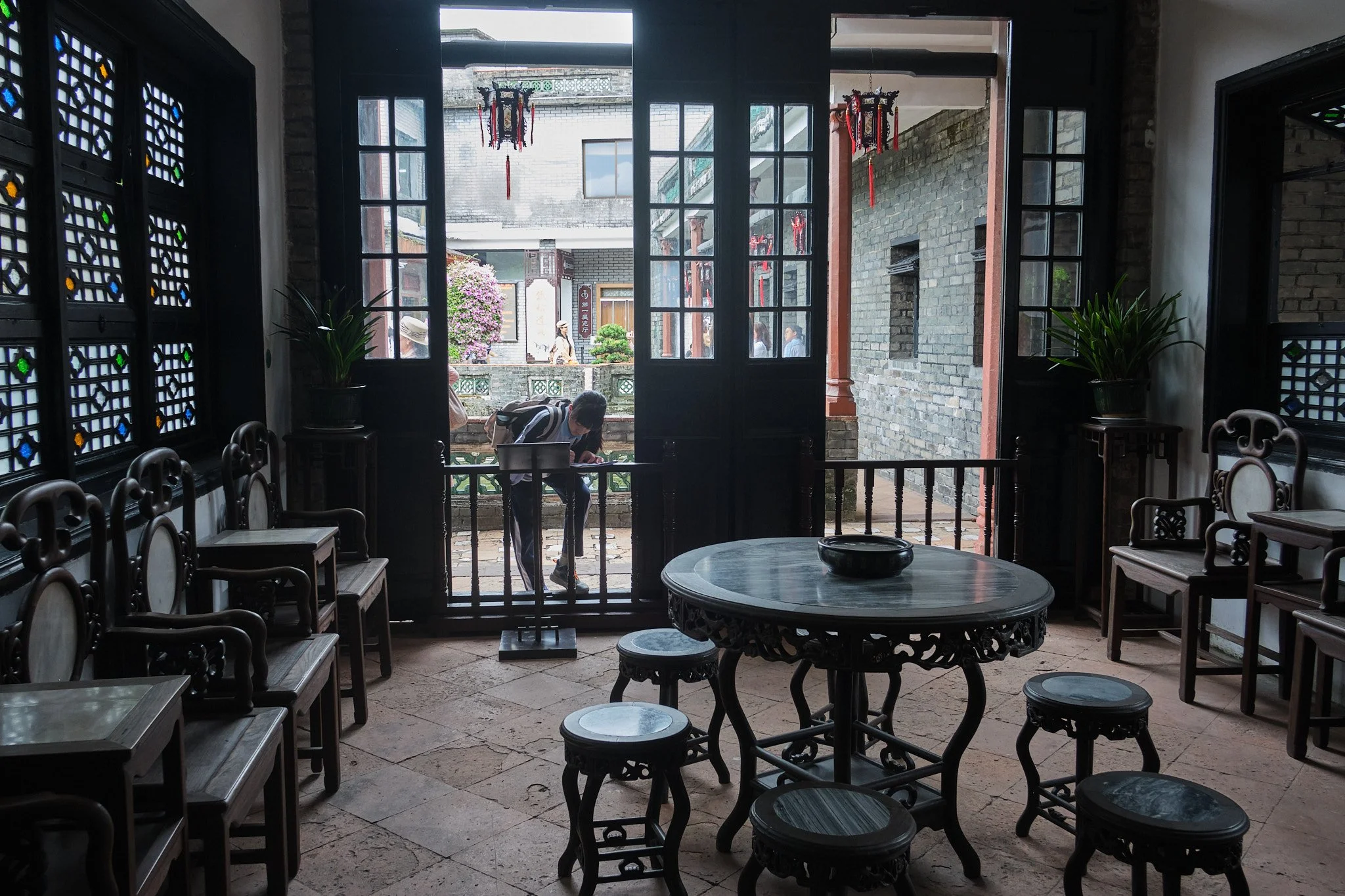
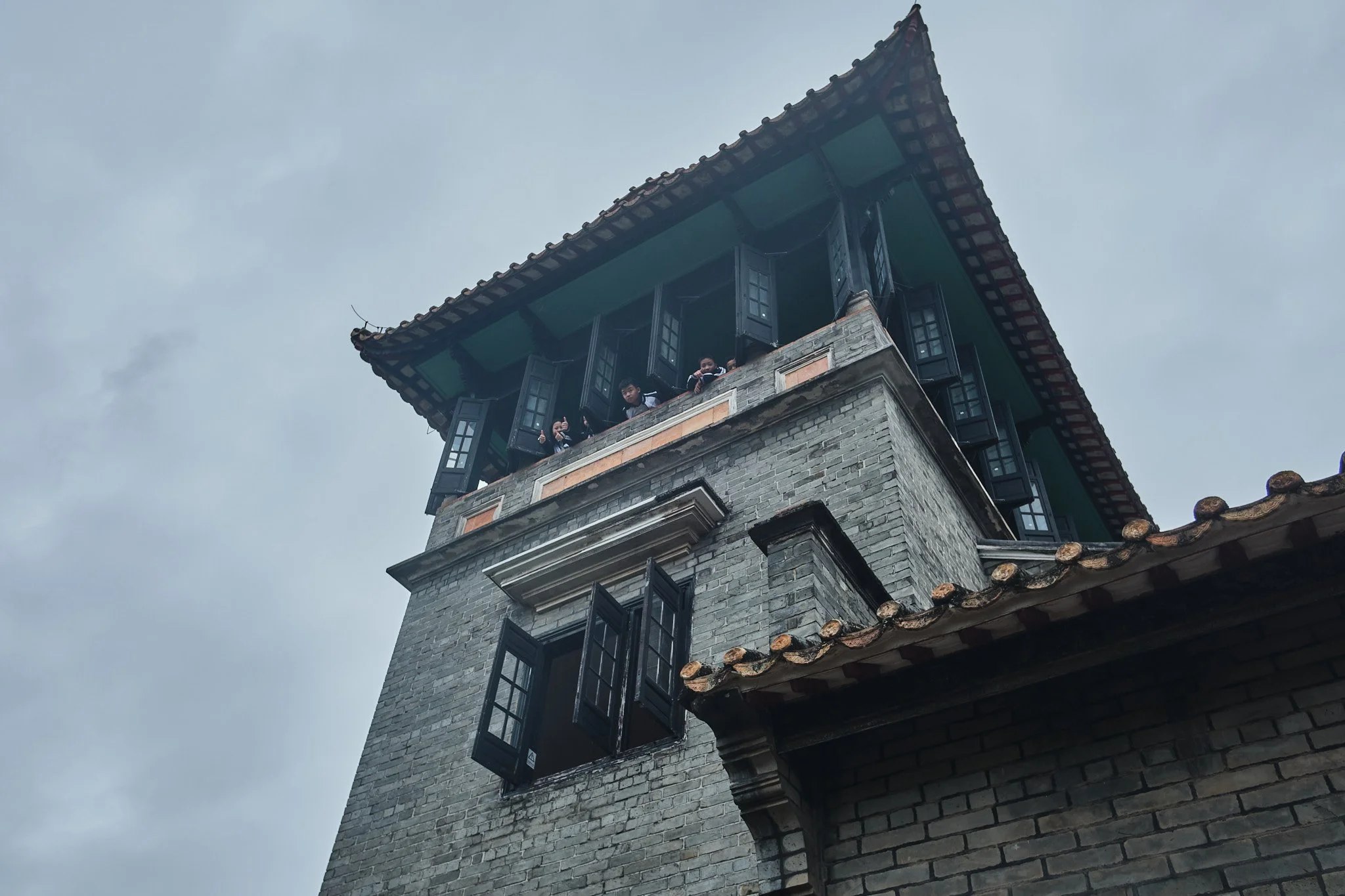
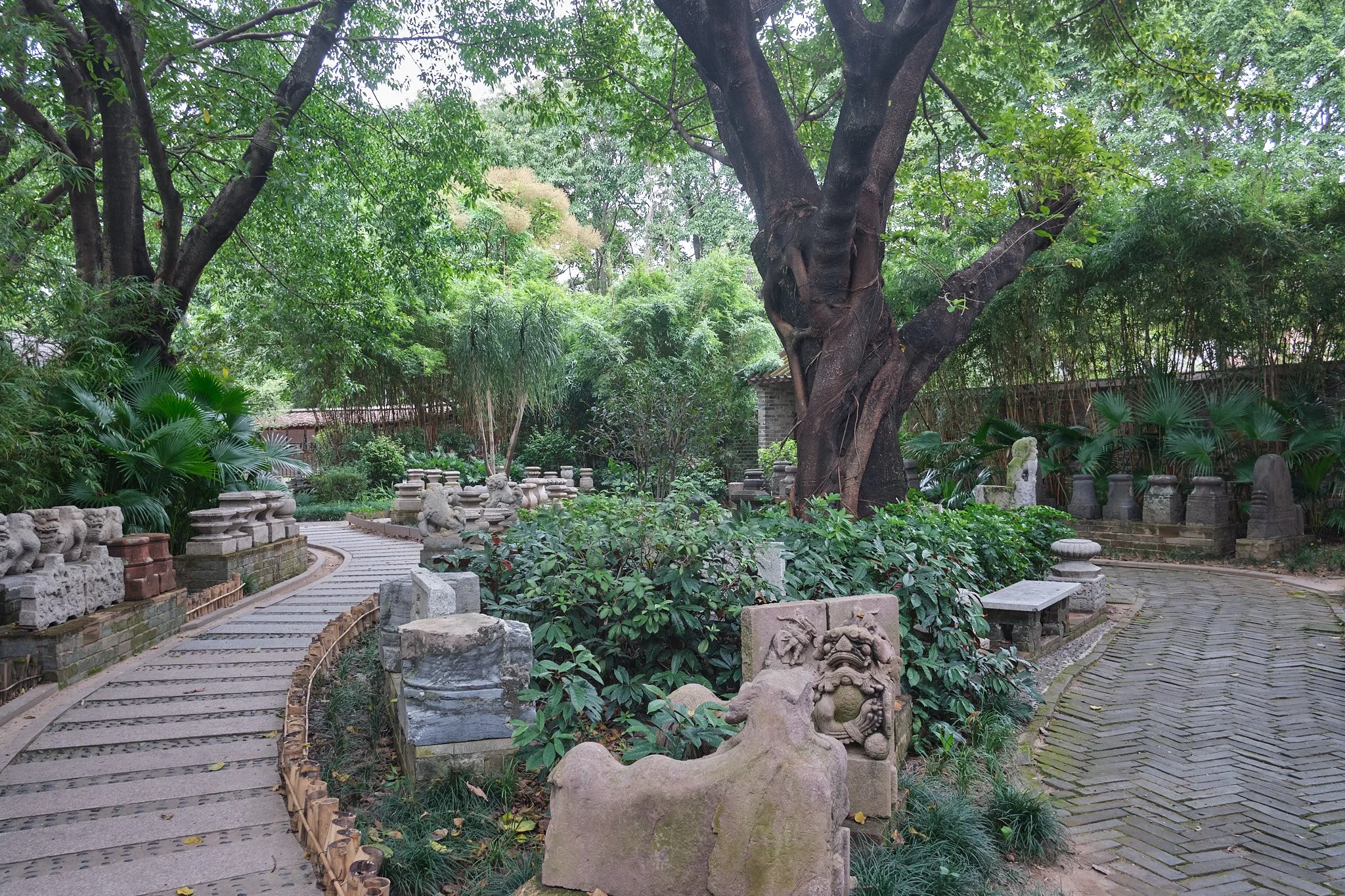
The only thing that gently pulled me back into the present was a lively group of schoolmates passing through the gardens. I loved capturing moments of their everyday life—their laughter, curiosity, and easy energy—and they, in turn, seemed to enjoy the attention from a foreigner with a camera. It was a small but joyful exchange that added warmth and life to the afternoon.
My visit wasn’t long, but it didn’t need to be. The Qing Dynasty Gardens offered a peaceful pause in the middle of a busy city, and the gentle rain—and those brief human connections—made the experience even more memorable. It was a quiet, beautiful way to spend an afternoon in Dongguan, and a place I’d happily return to, rain or shine.
Nanshe Ancient Village
On my last day in Changping, my colleague treated me to another glimpse of local culture. Just thirty minutes out of town, we arrived at Nanshe Ancient Village—a place that felt as though it had quietly frozen in time. Recognized as a UNESCO World Heritage site, the village is one of the best-preserved examples of a traditional Lingnan clan settlement, with a history that stretches back hundreds of years.
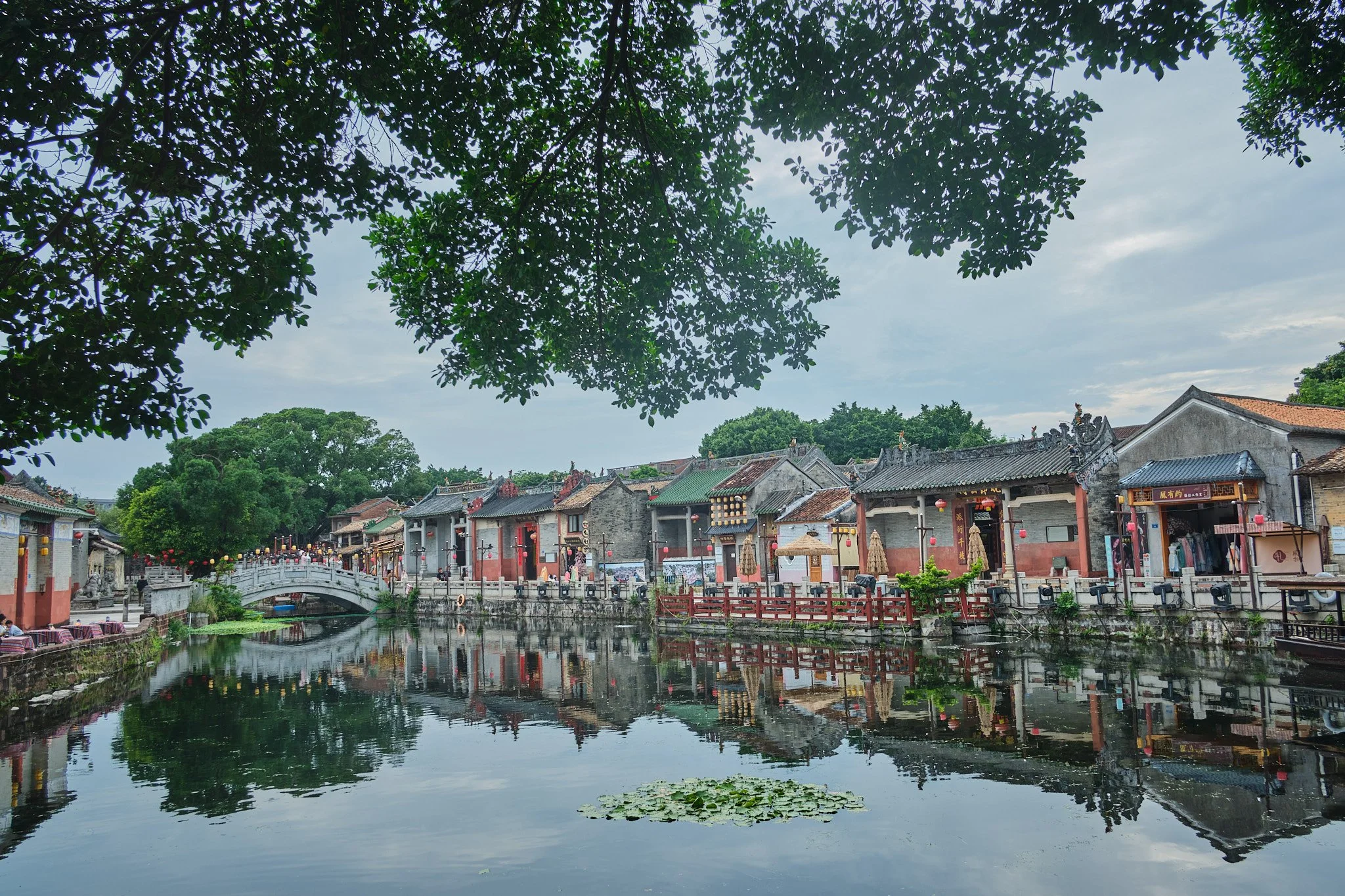
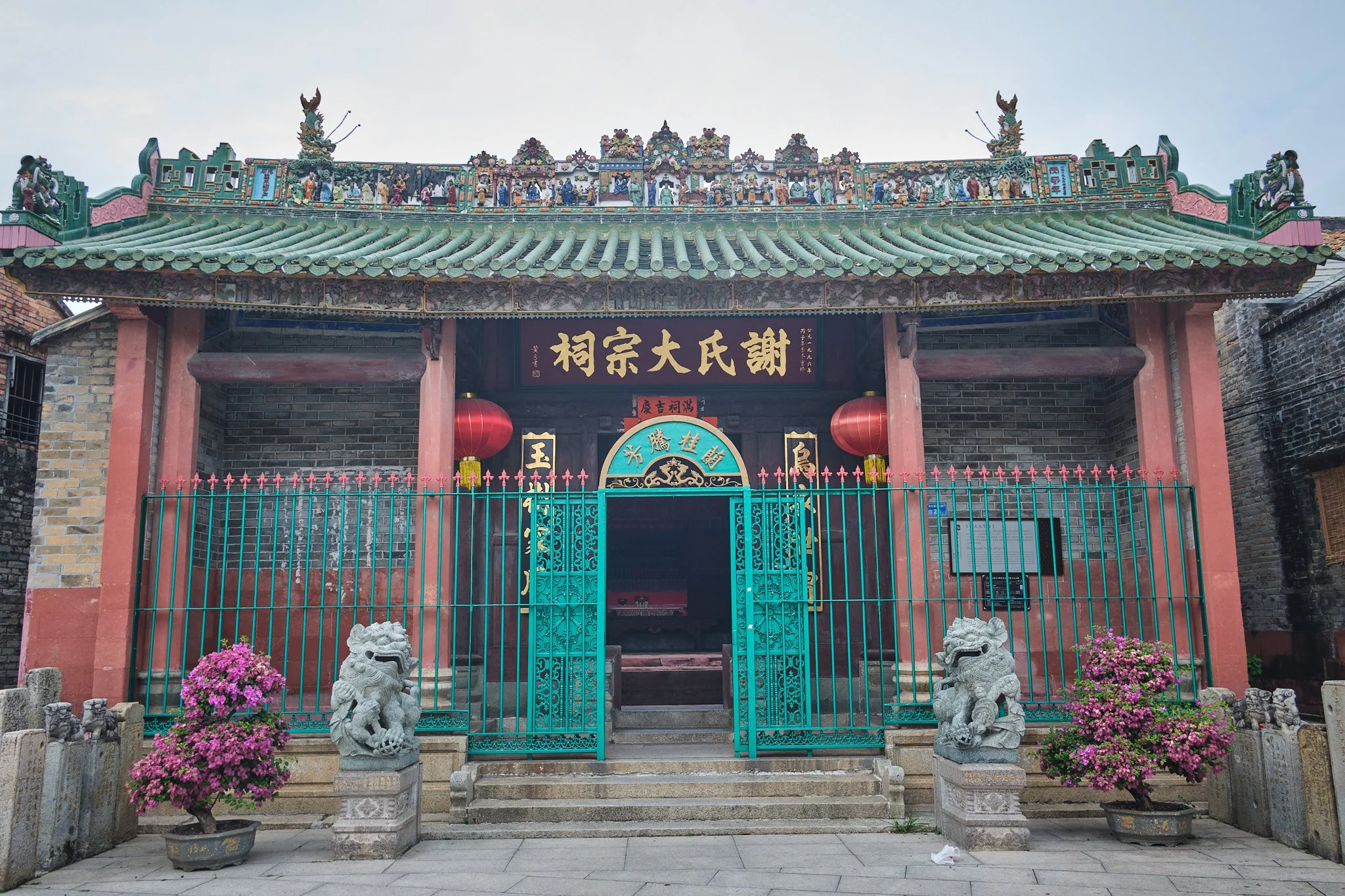
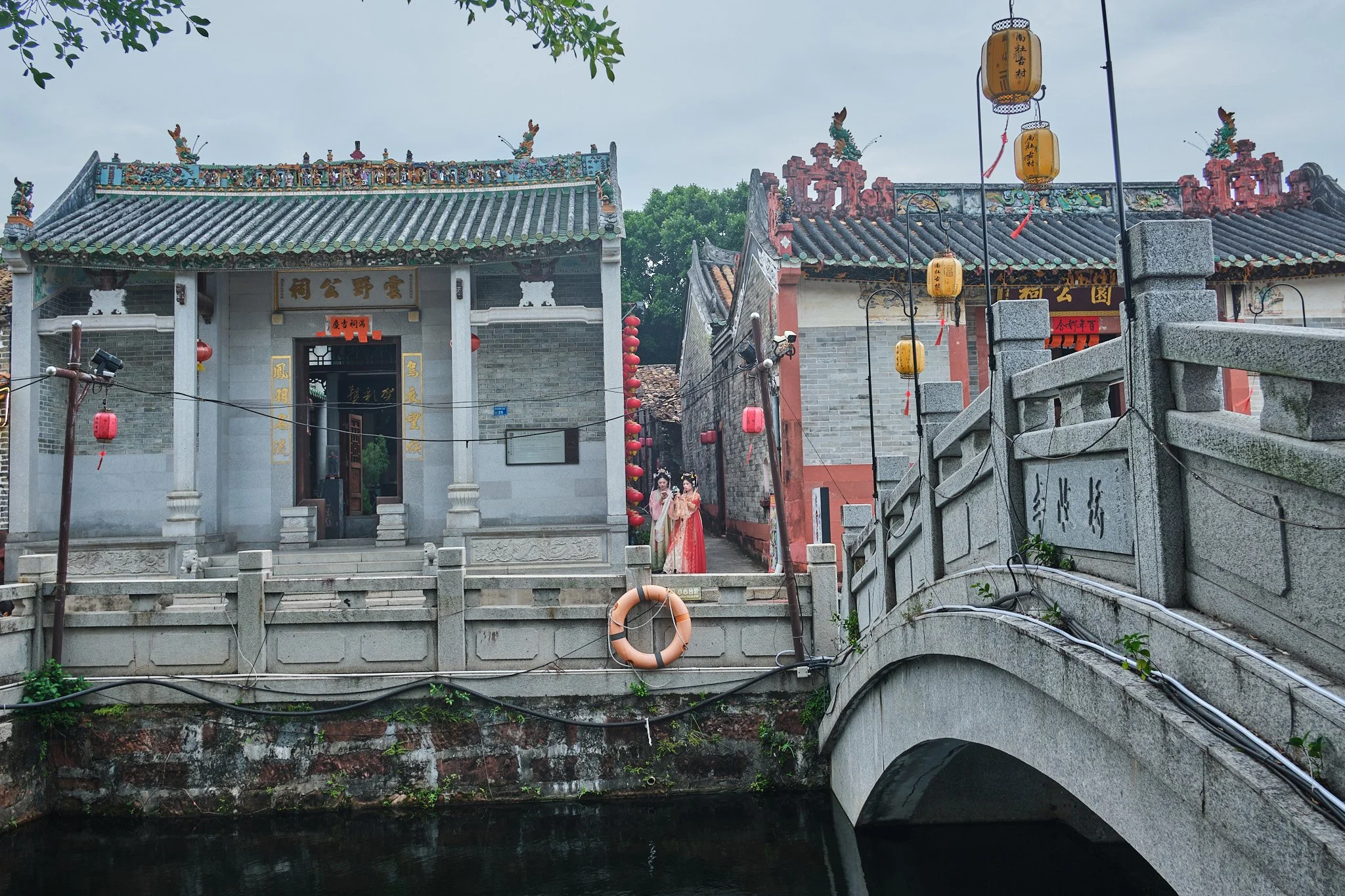
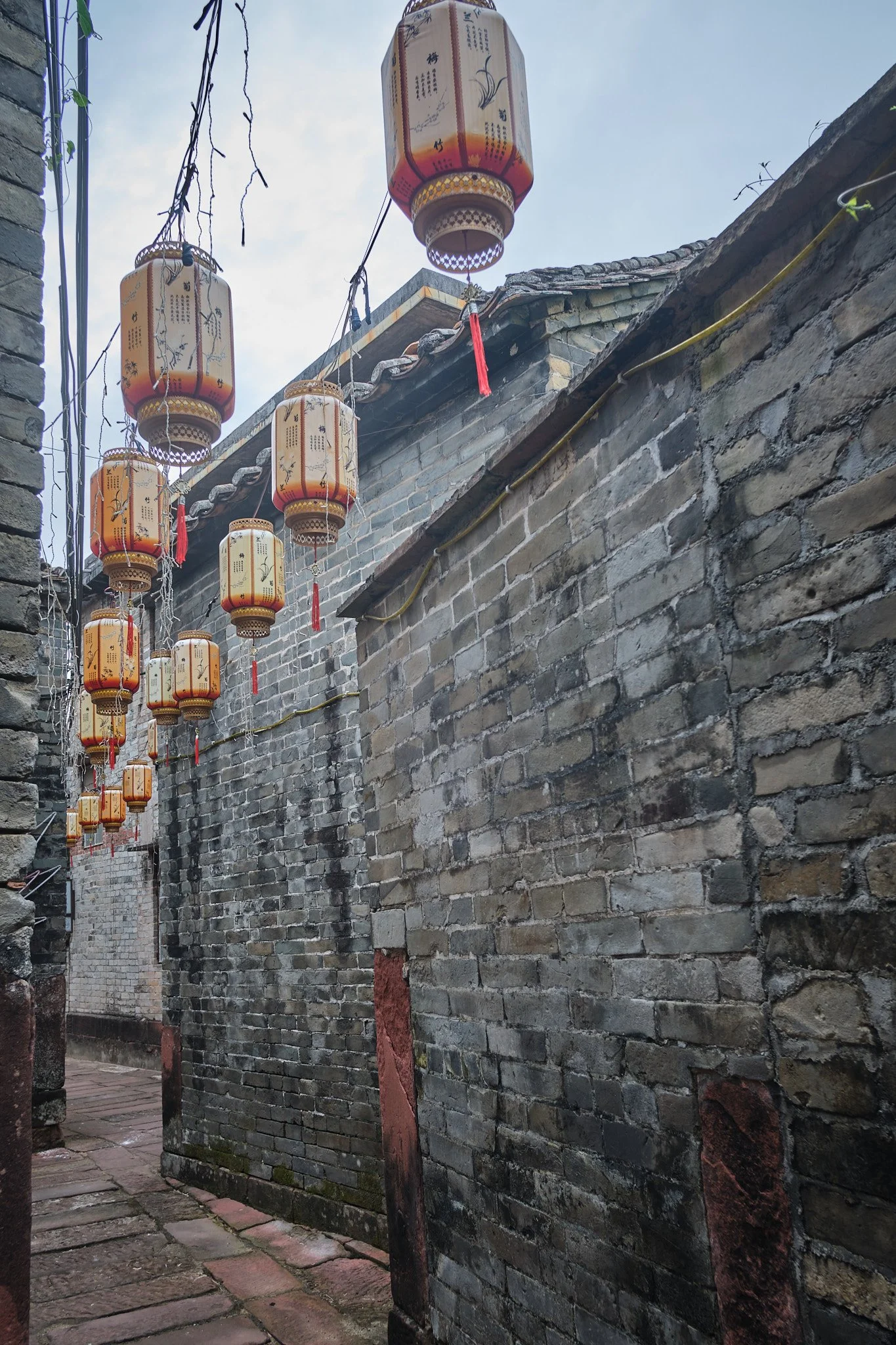
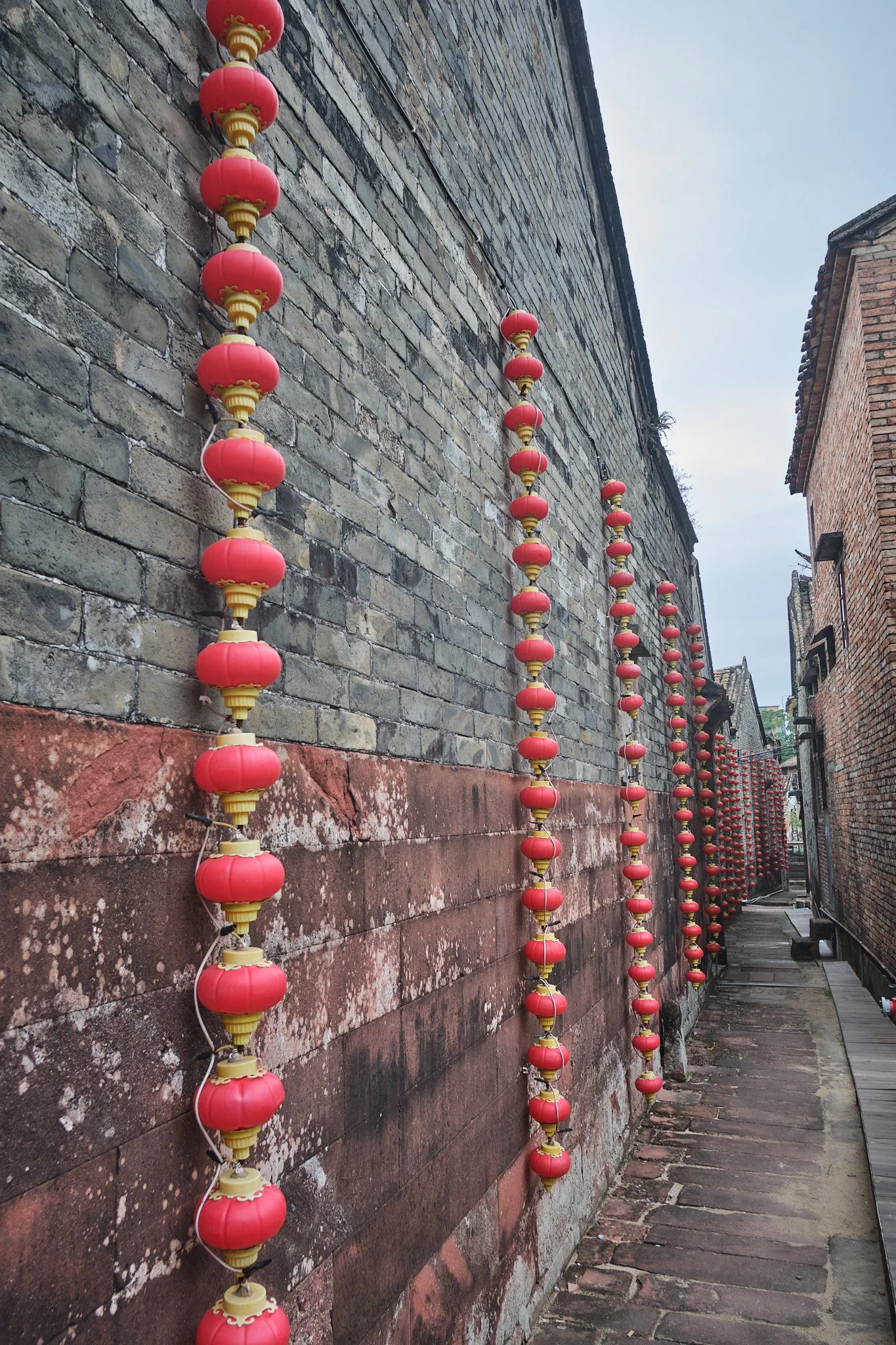
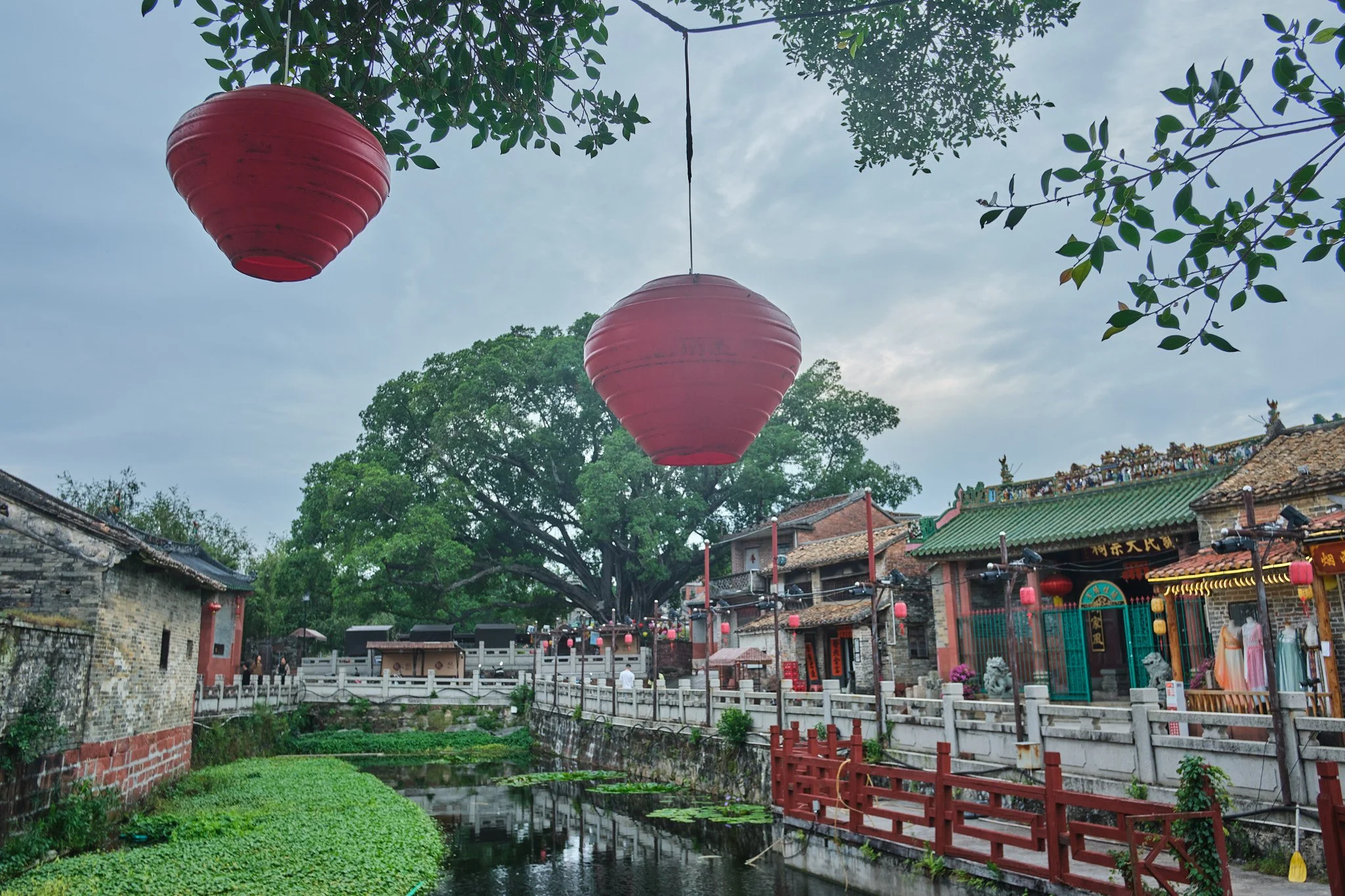
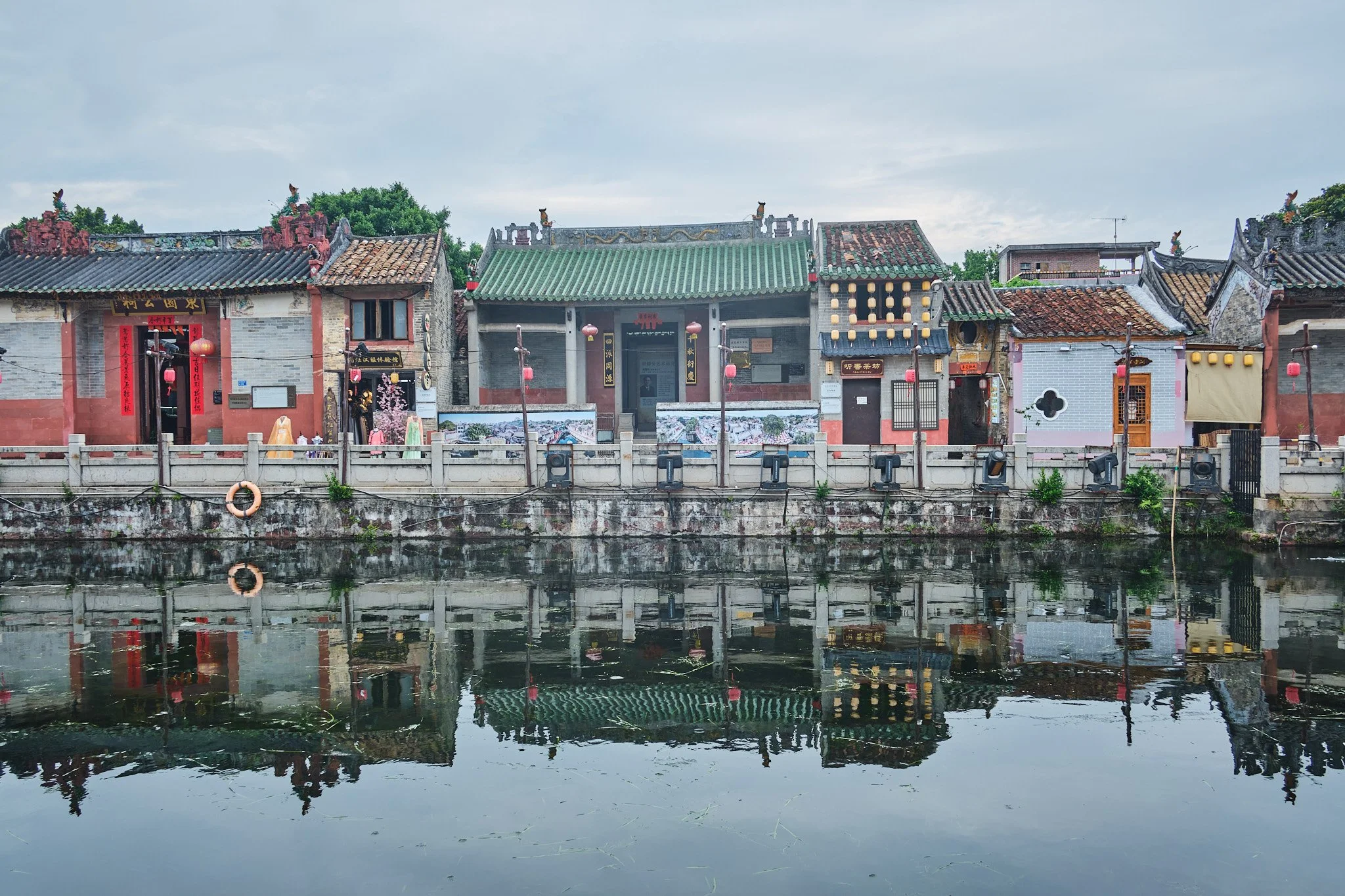
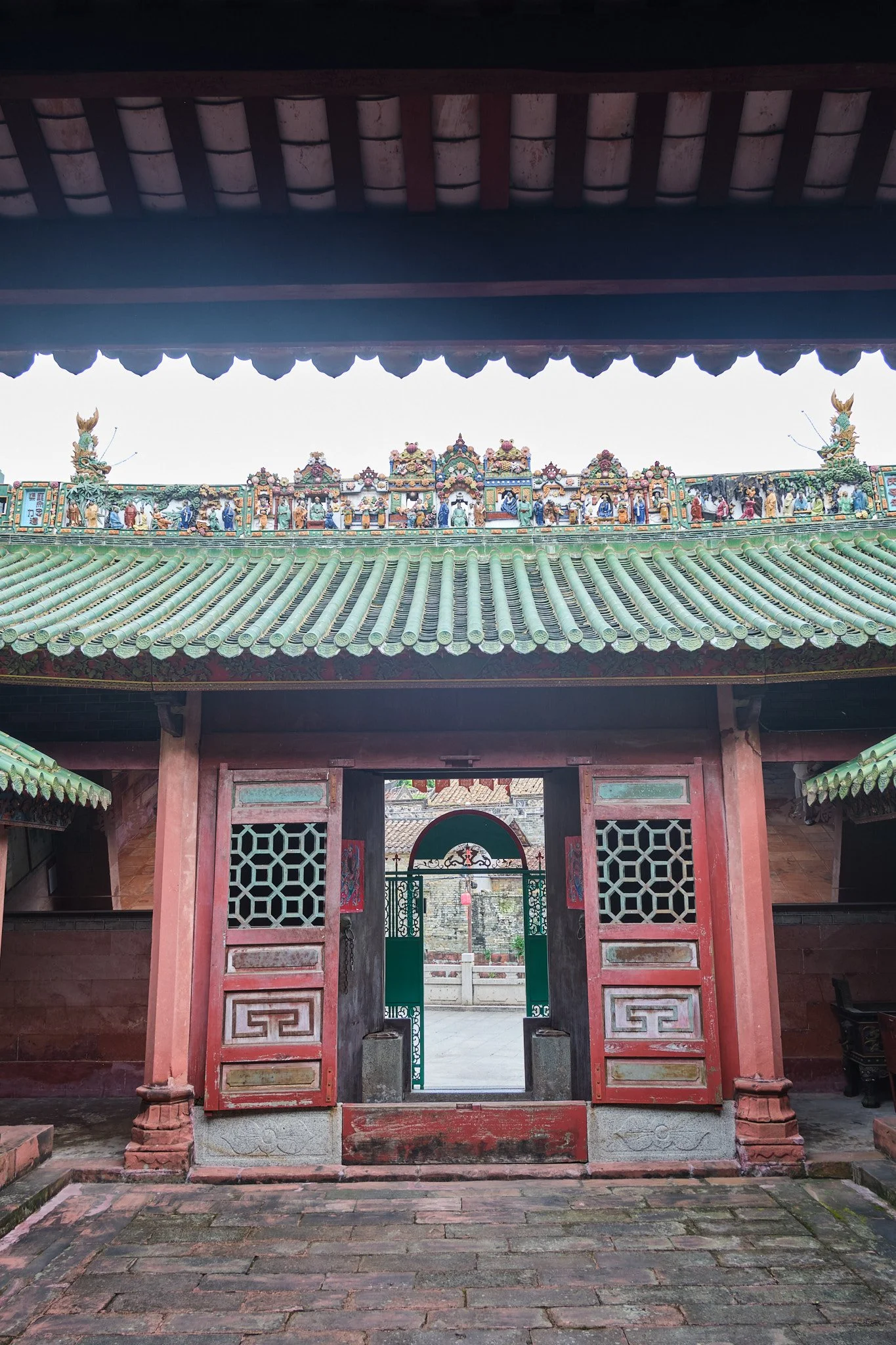
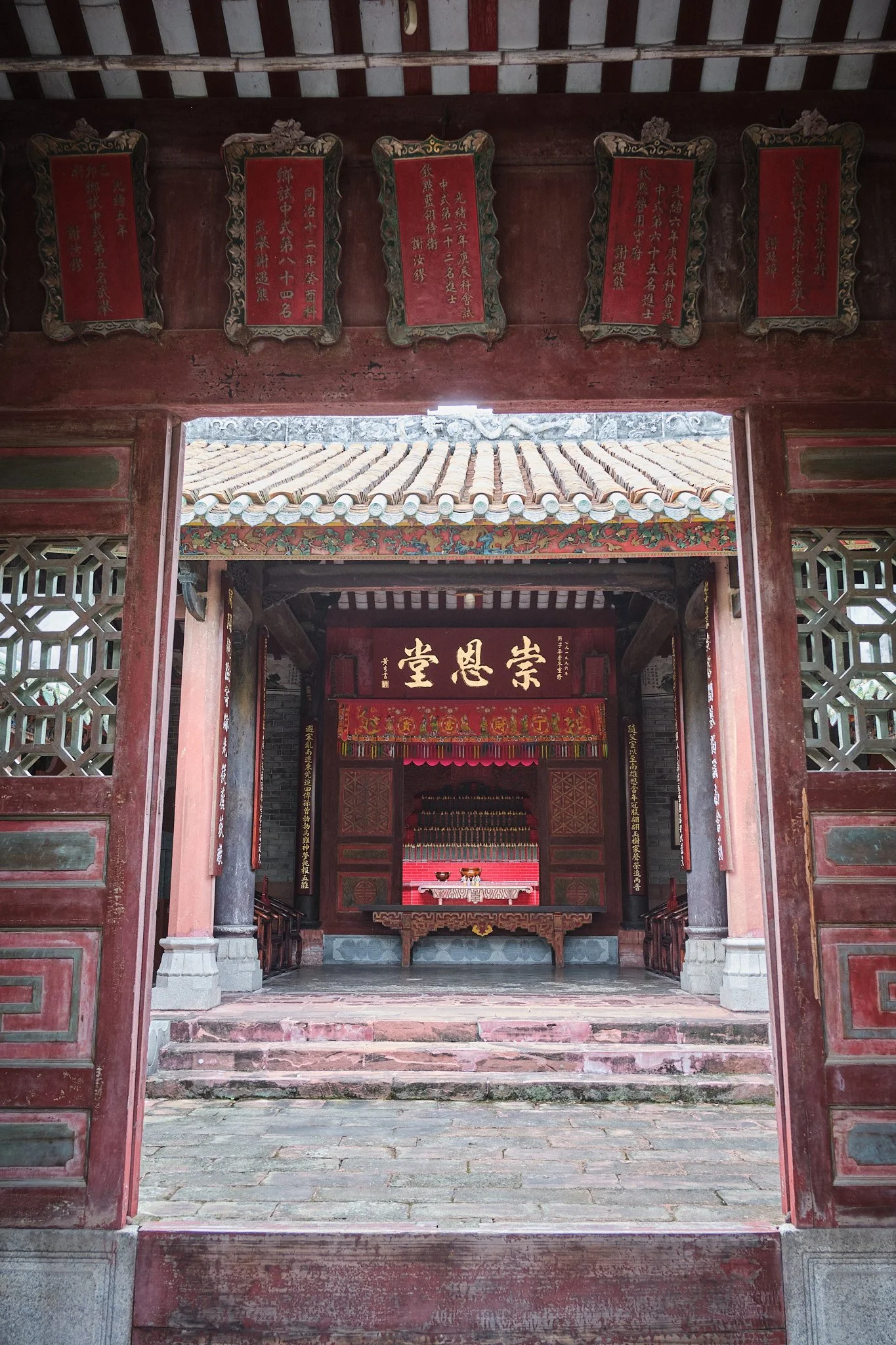
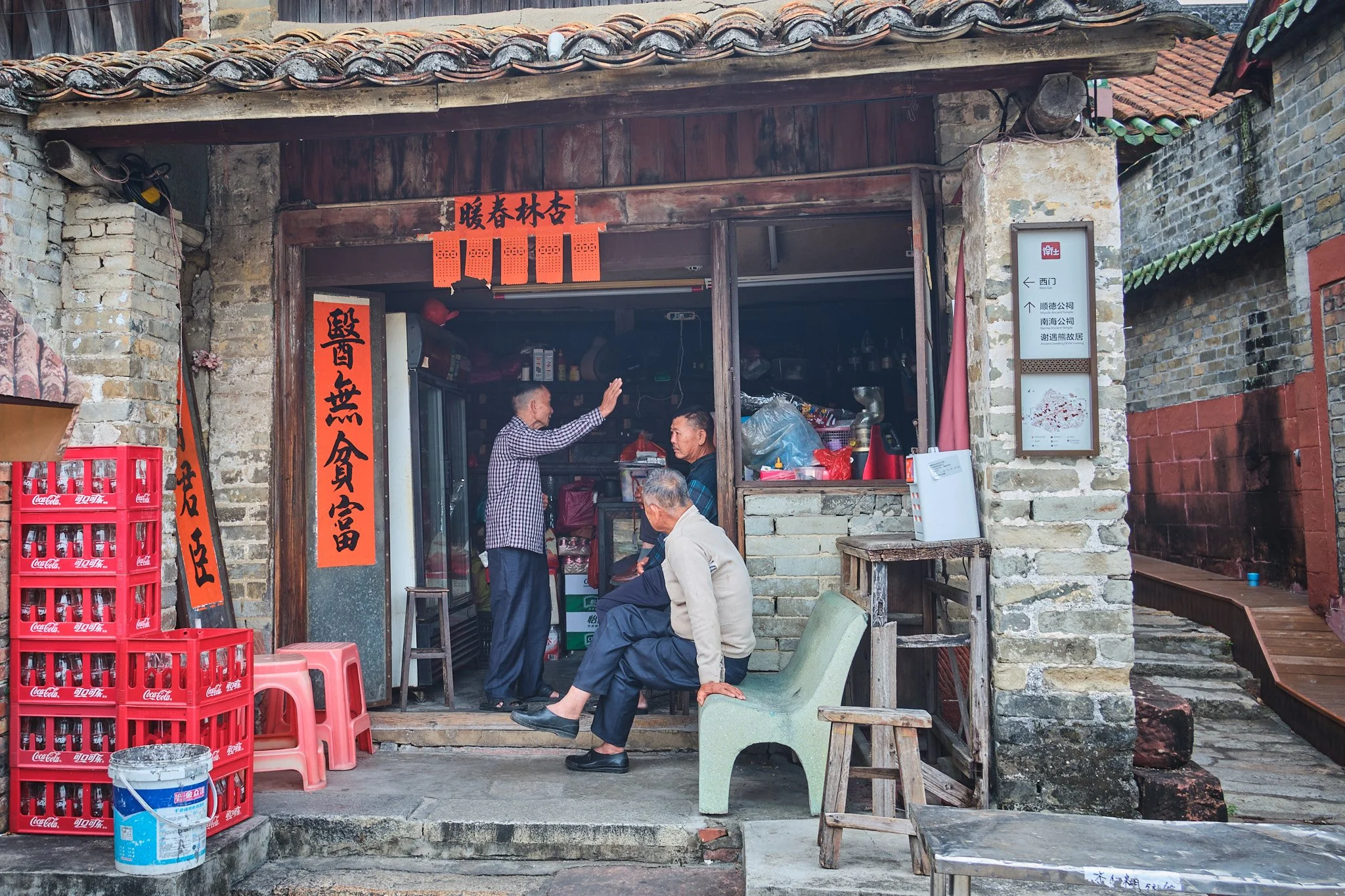
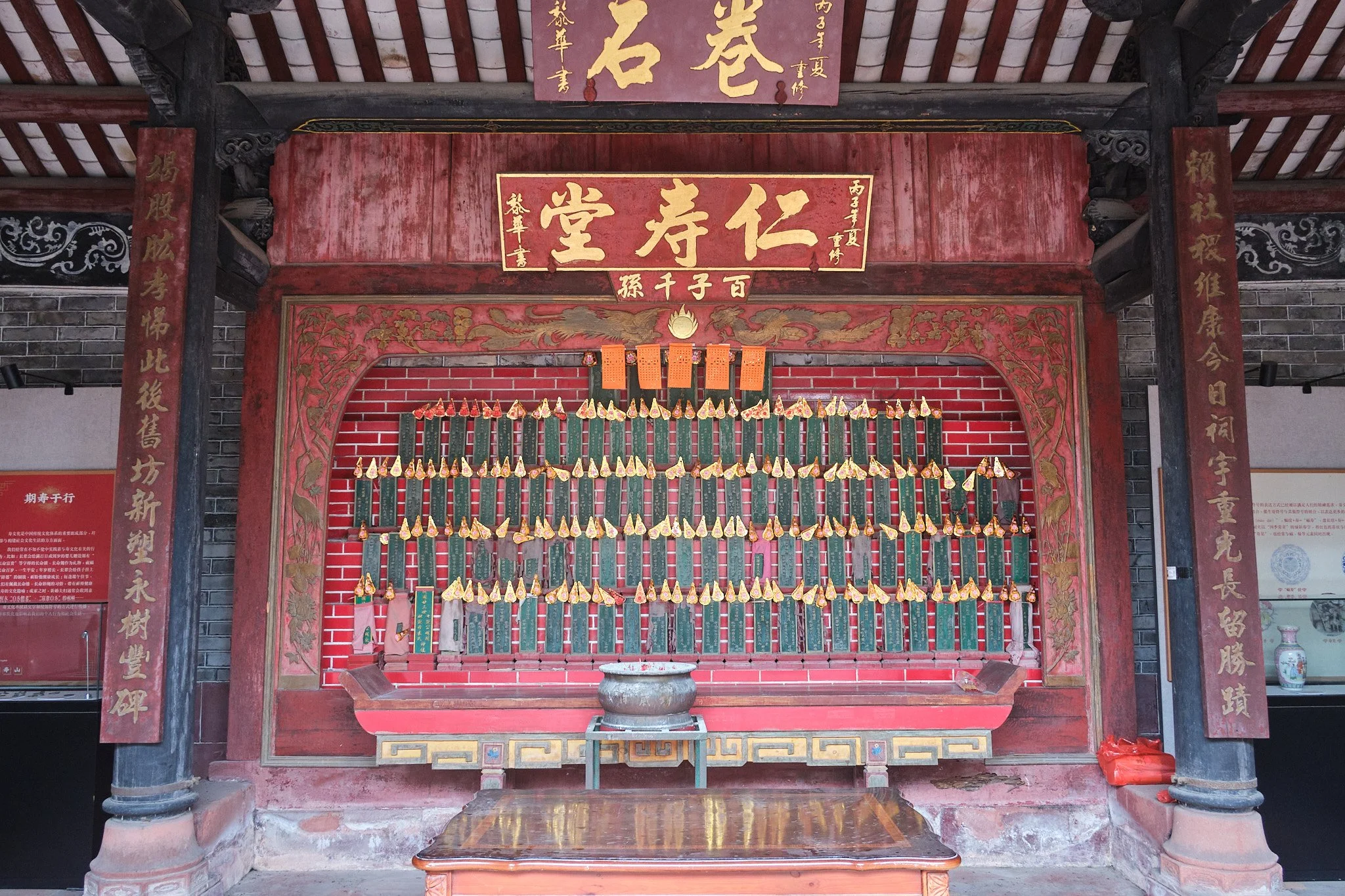
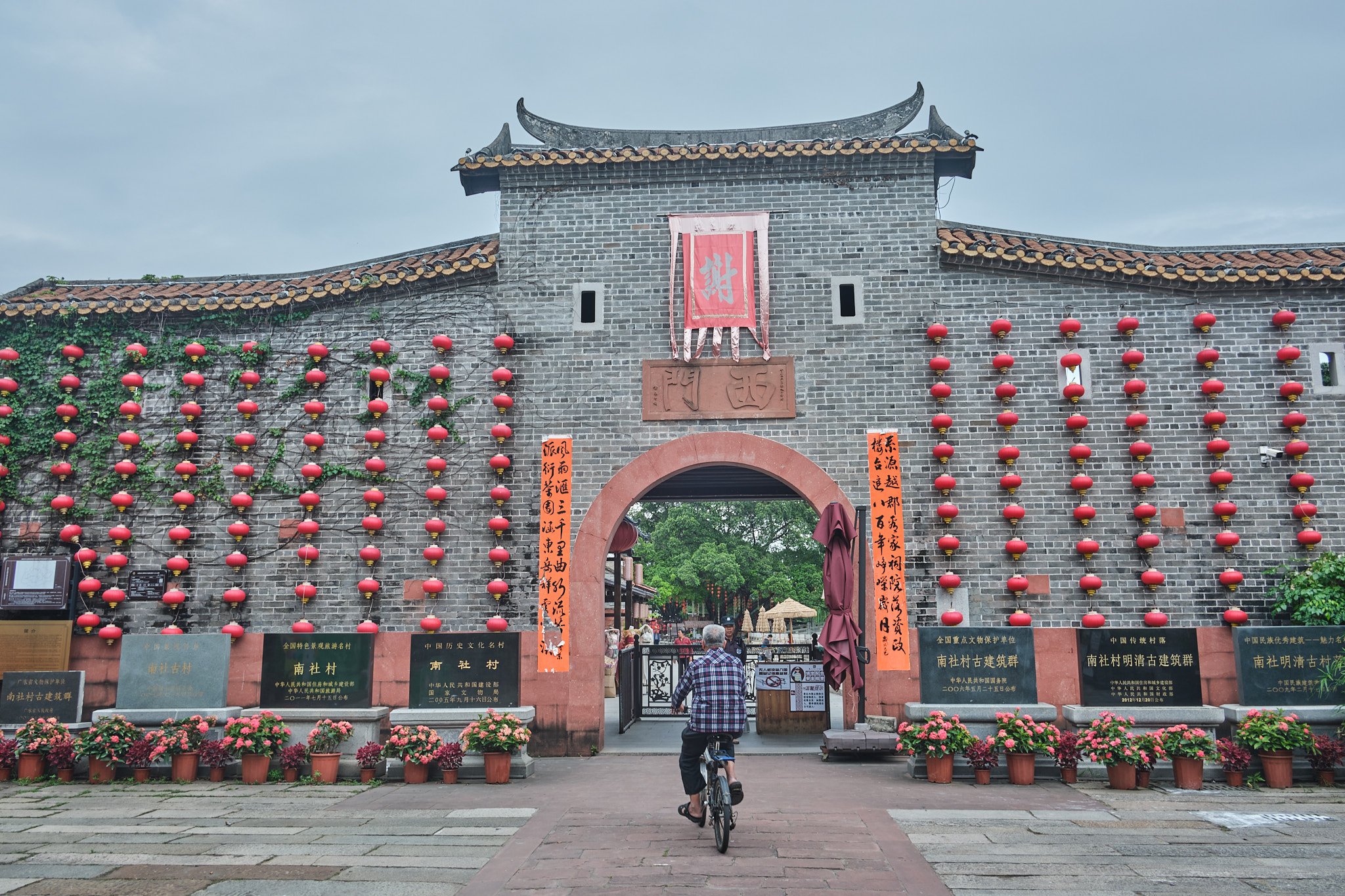
What struck me immediately was how calm it felt. The village wasn’t busy at all, which made the experience even more special. Instead of crowds, there were small, intimate scenes of everyday life unfolding naturally around us. Locals sat in a small shop playing cards, completely absorbed in their game, occasionally glancing up as we passed.
The main street formed the spine of the village and was lined with ancestral halls and temples that once served some of the area’s most important families. These structures weren’t just places of worship; they were centers of decision-making, ceremonies, and family gatherings, reflecting how deeply clan identity shaped village life. Walking past their carved entrances and quiet courtyards gave a real sense of the social structure that once defined this community.
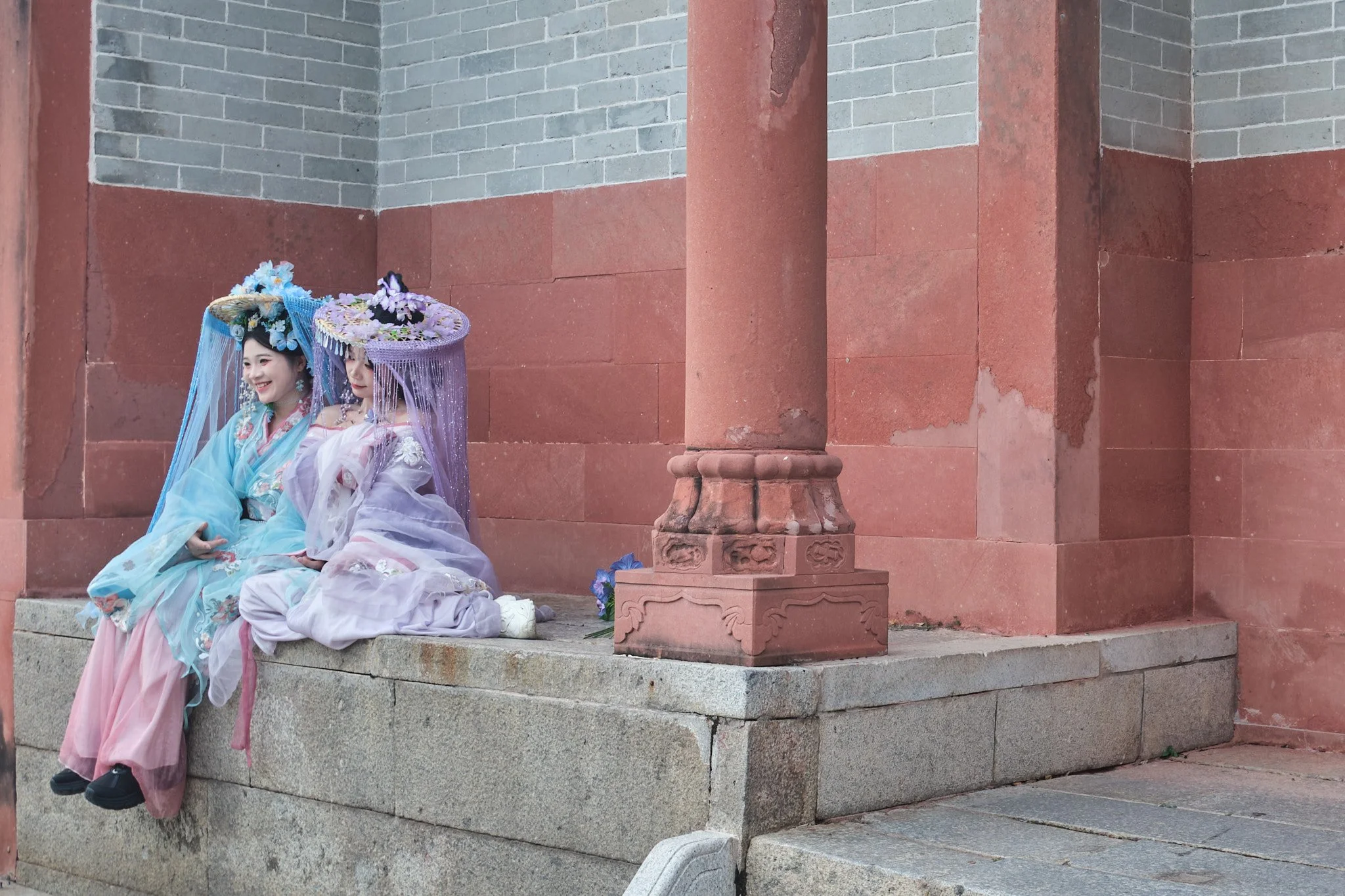
Beyond the main street, the back lanes told a softer story. They were intertwined with small tea shops, thoughtfully situated in restored houses, blending everyday life with preservation. Further along, a group of girls dressed in traditional costumes posed for TikTok photos and videos. The contrast was charming—ancient stone walls and ancestral halls forming the backdrop for modern self-expression.
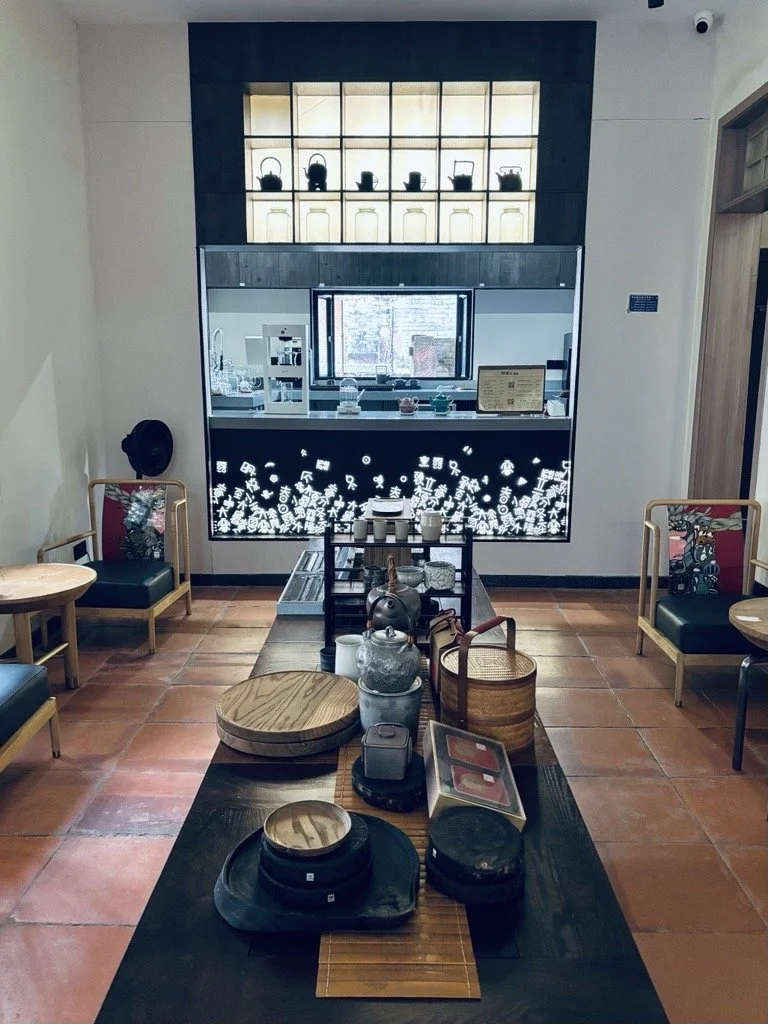
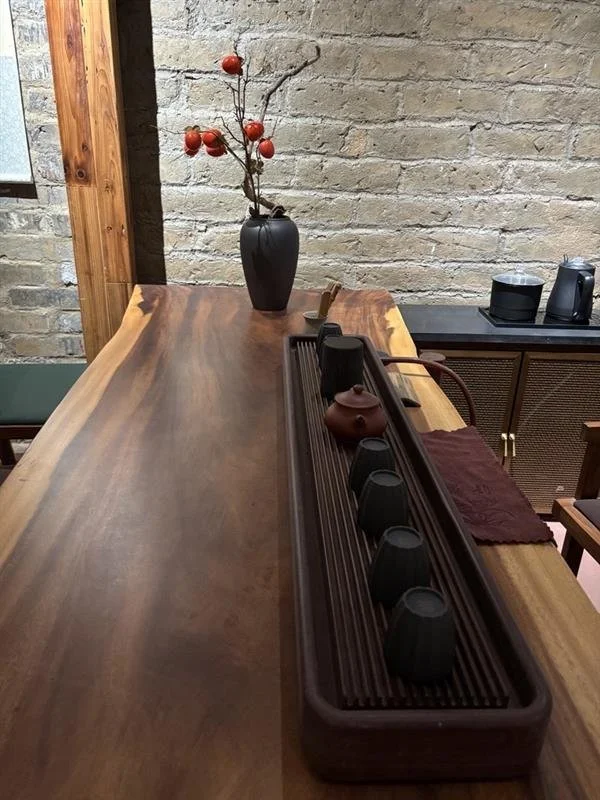
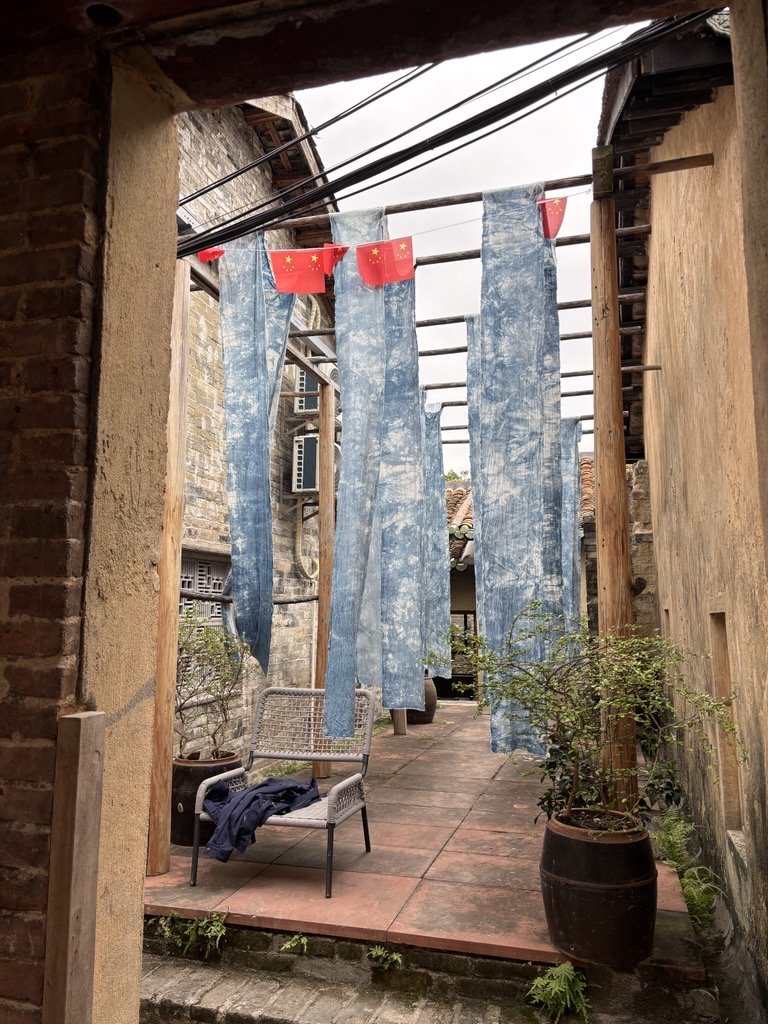
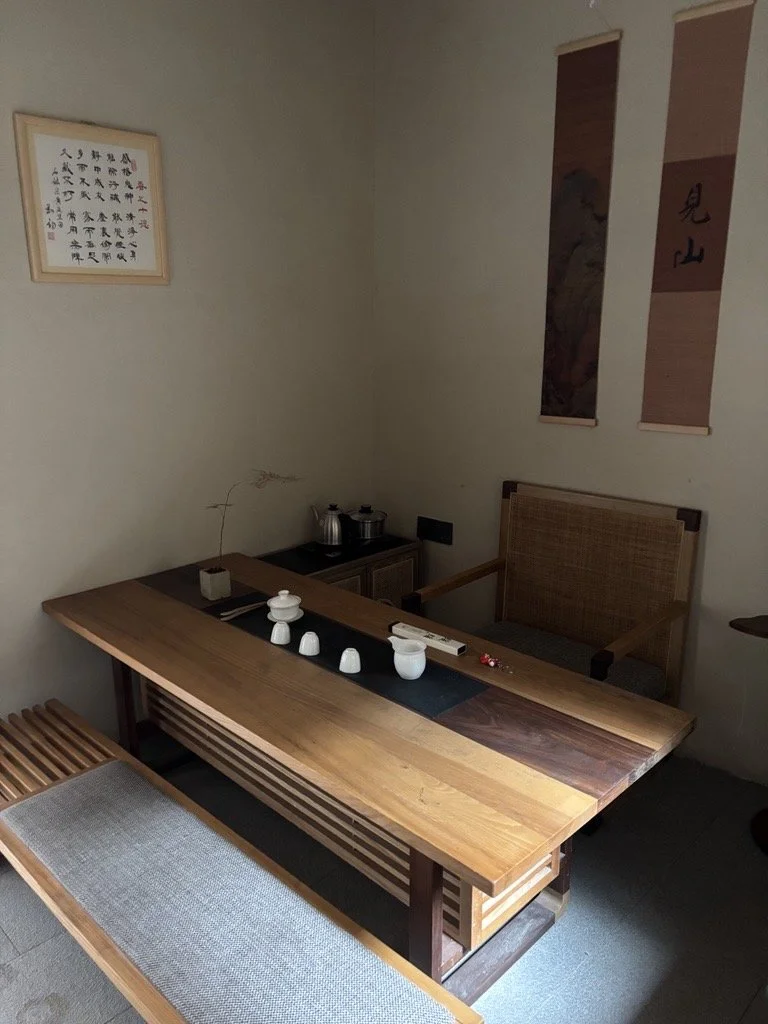
Nanshe Ancient Village offered a rare pause, where history, culture, and contemporary life coexist naturally. It was a fitting way to end my time in Changping—quiet, grounded, and deeply memorable. A reminder that sometimes the most meaningful travel experiences come from places that don’t try to impress, but simply allow you to slow down and observe.
Changxin Park
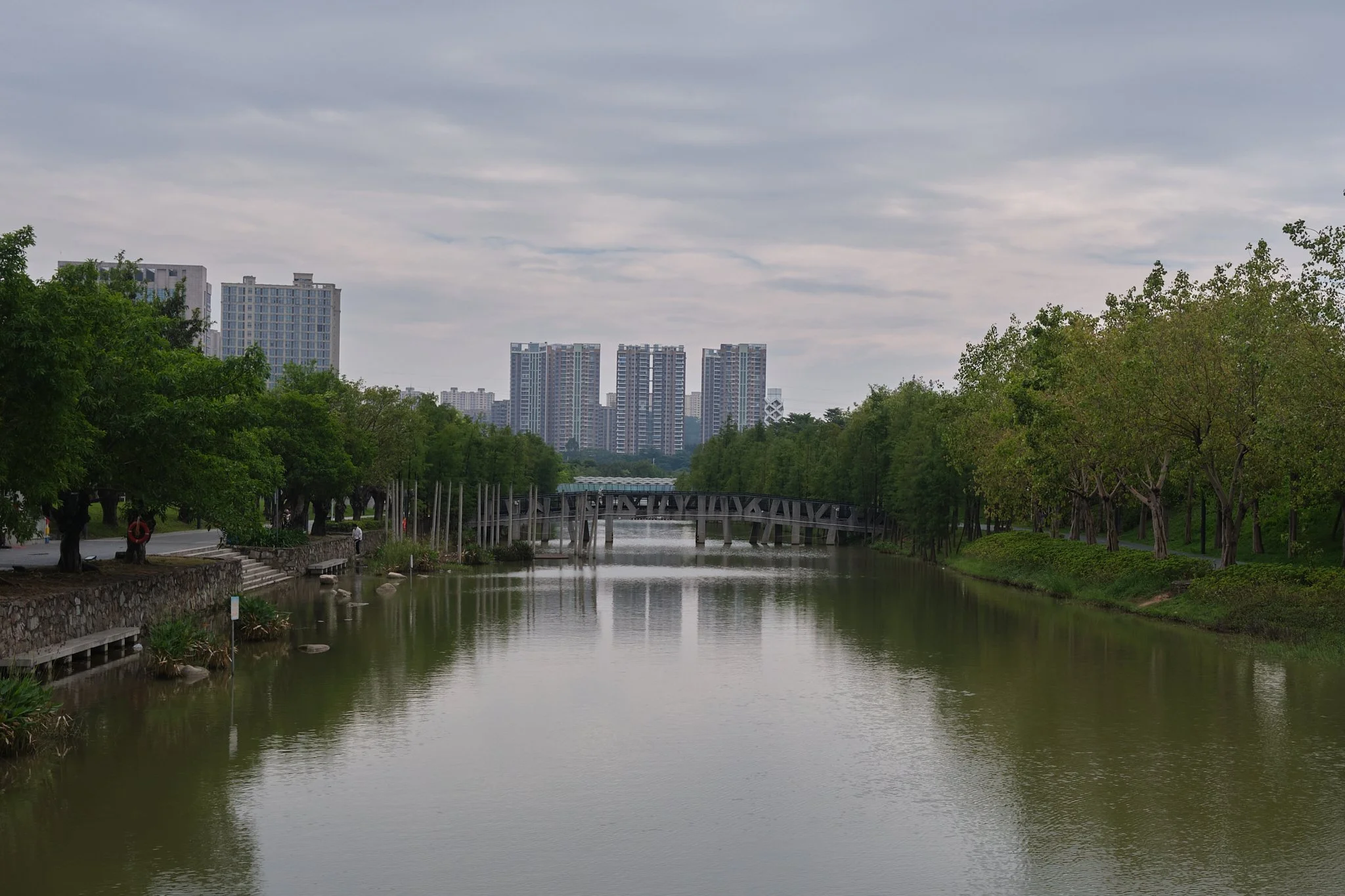
Changxin Park became our go-to unwind spot during the trip. It's the green heart of Changping — a clean, tree-lined park filled with locals walking laps, families relaxing on benches, and clusters of retirees practicing tai chi or dancing to portable speakers.
The park has wide paths, small pavilions, lakeside views, and stretches of bamboo that sway gently in the breeze. It’s peaceful, especially around sunset when the sky softens and the hustle of the city quiets down.
Whether you’re grabbing bubble tea or just stretching your legs after a long day, Changxin Park is the perfect place to pause.
Where we stayed
While in Changping we stayed at Dongguan Miraton Hotel, perfectly placed in the middle of the hustle and bustle of town. From there we could walk everywhere — shopping malls, the river promenade, popular goose street, and the fresh market were all just minutes away. Trip.com
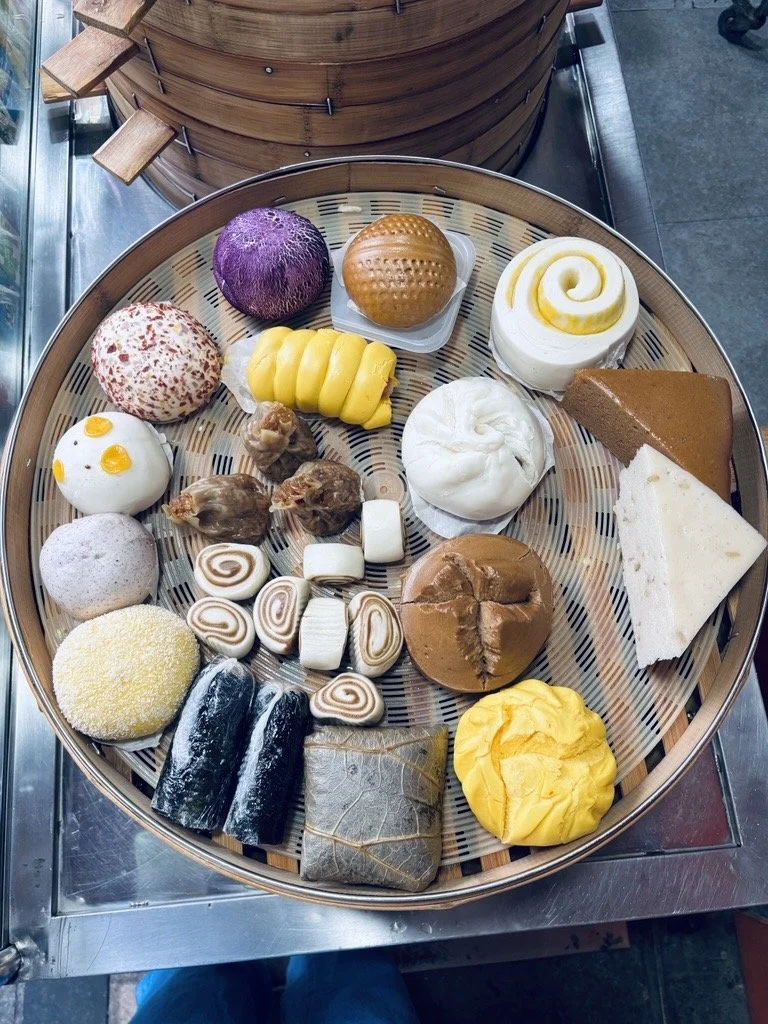
The rooms were a little outdated, but the breakfast was amazing, with a rotating lineup of dishes every day — and yes, I learned I can start the day with noodles! Trip.com
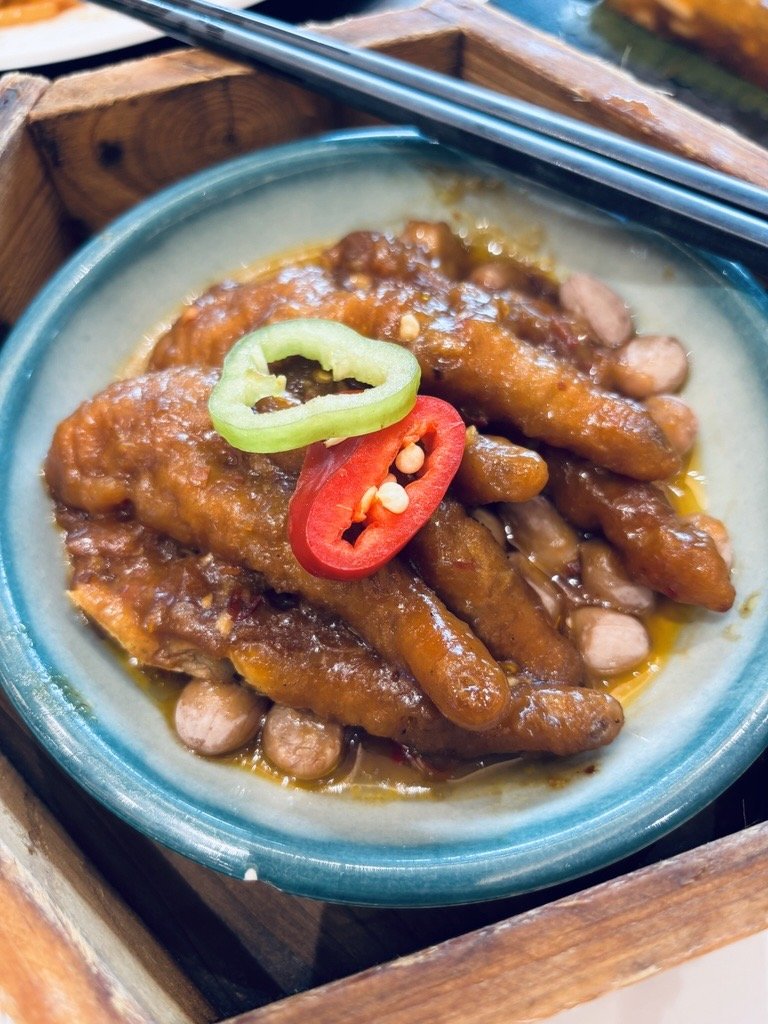
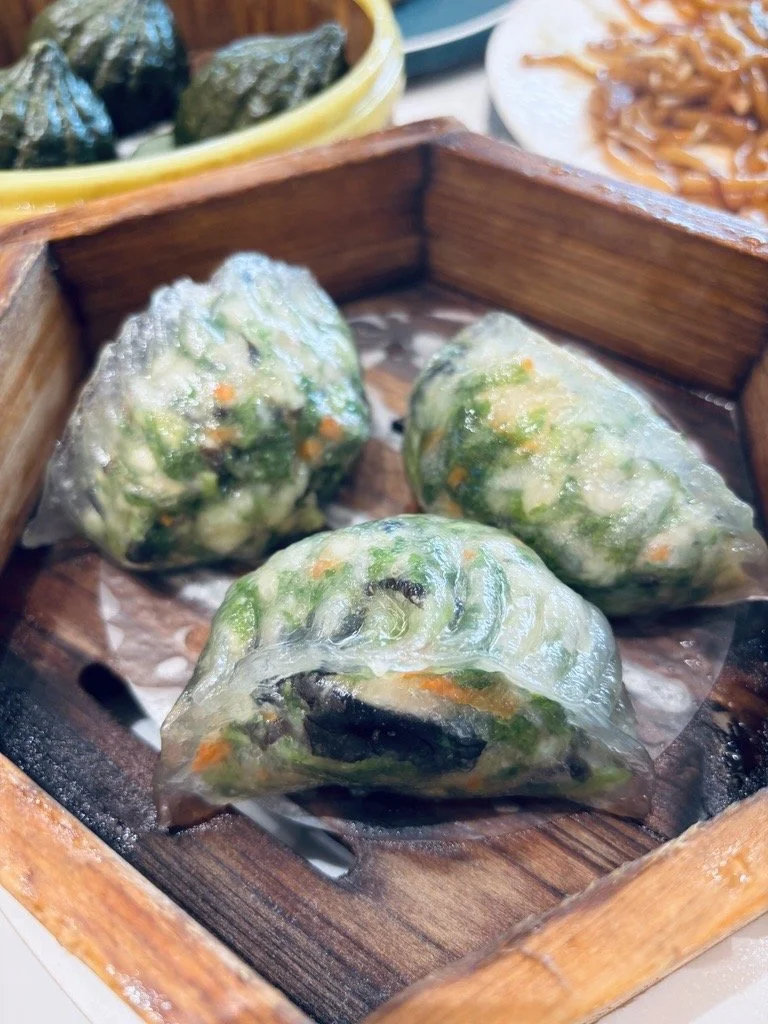
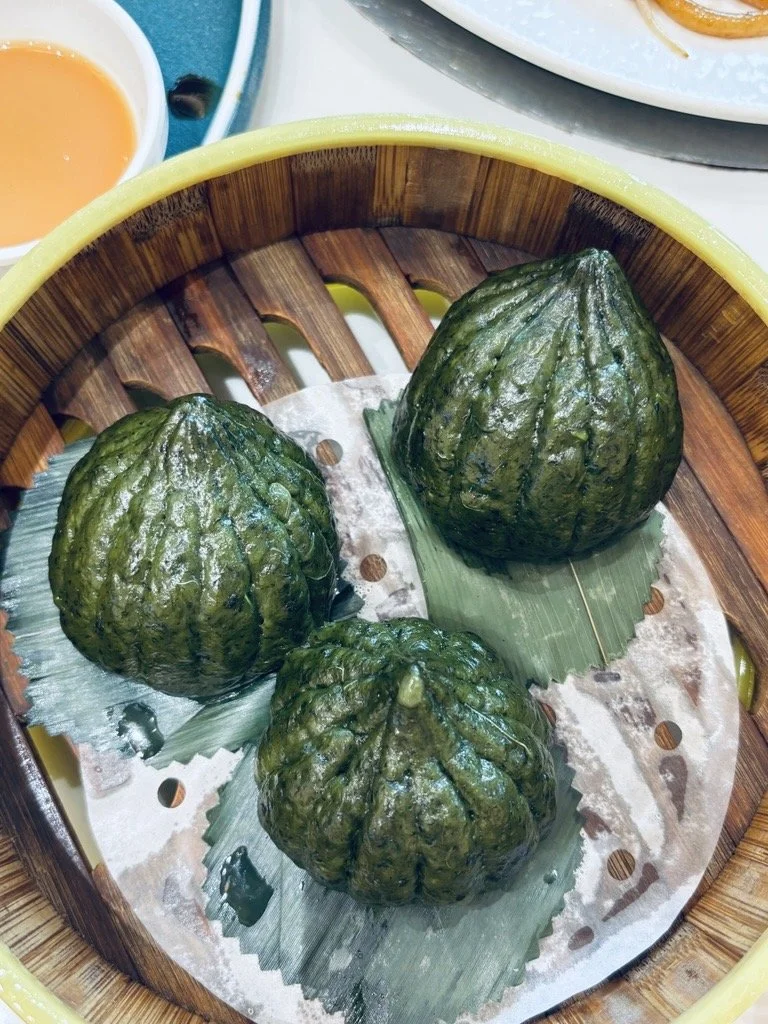
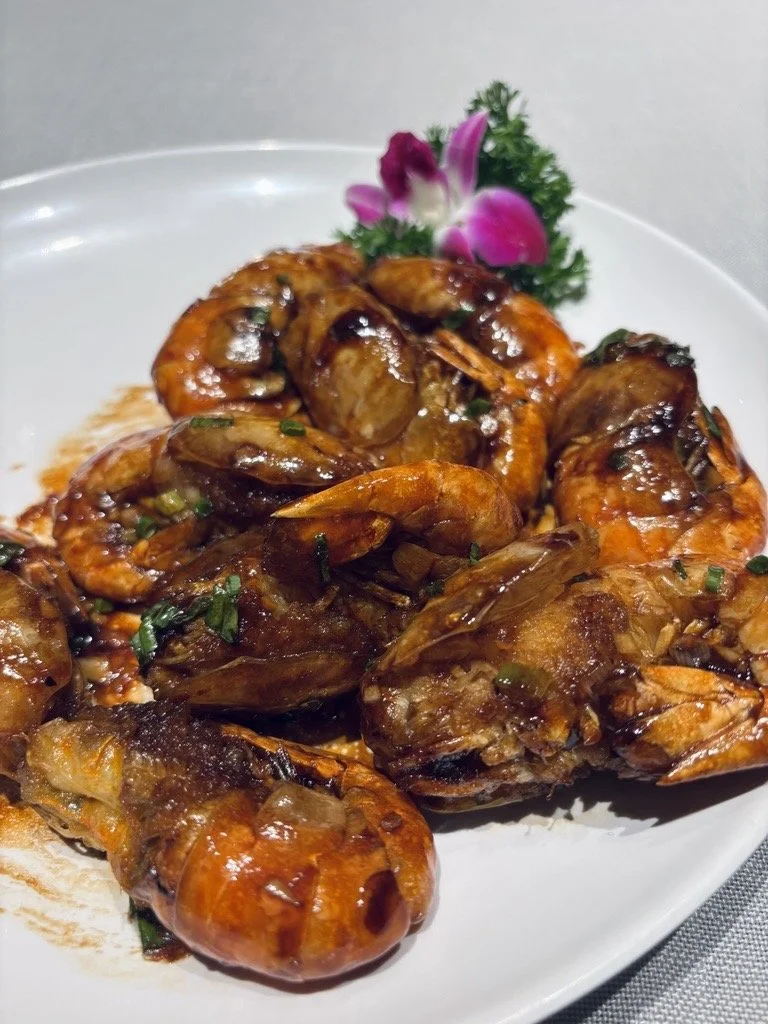
We also had a great dim sum with people from work at the hotel’s own restaurant located on the second floor.
What we ate
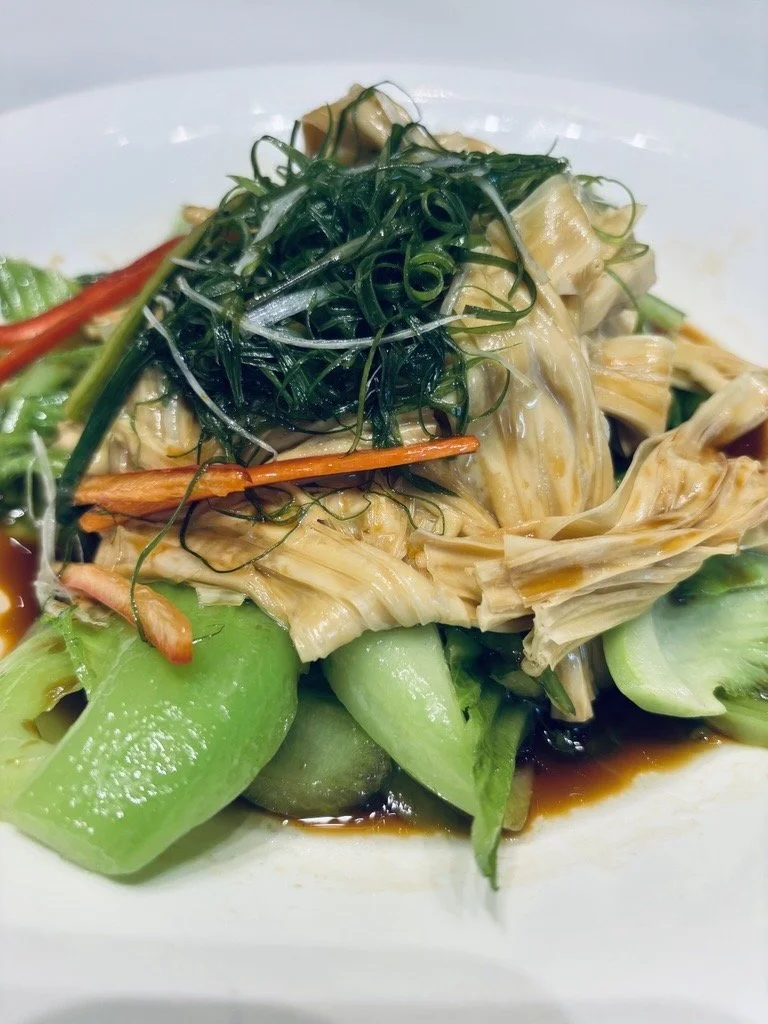

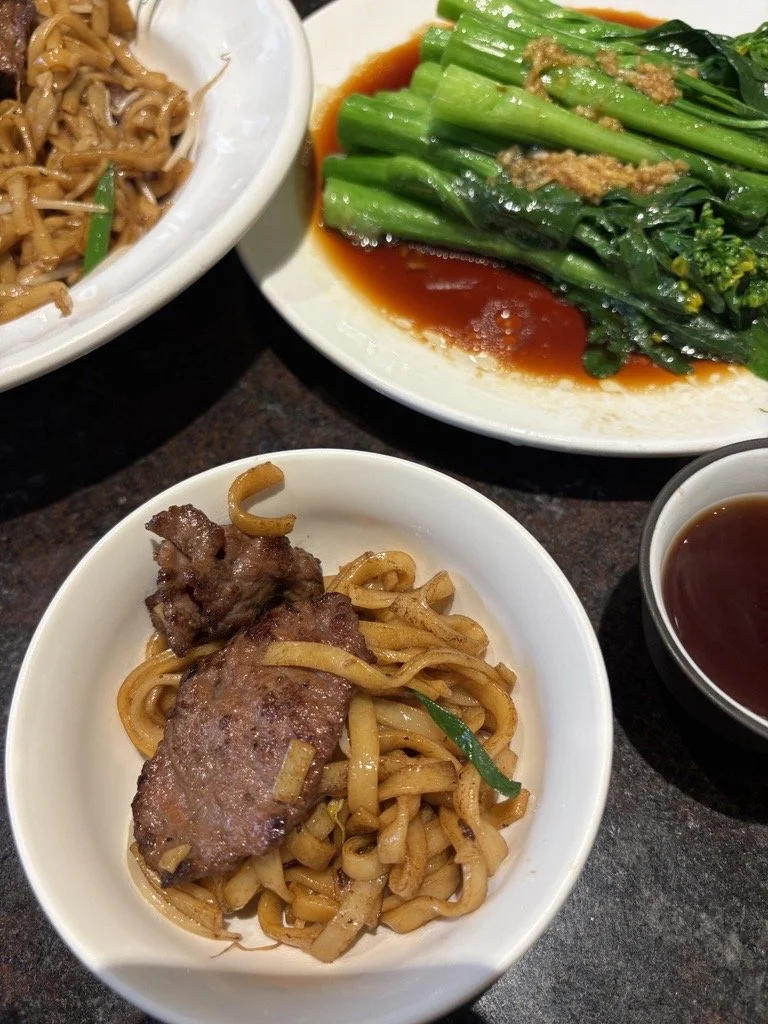
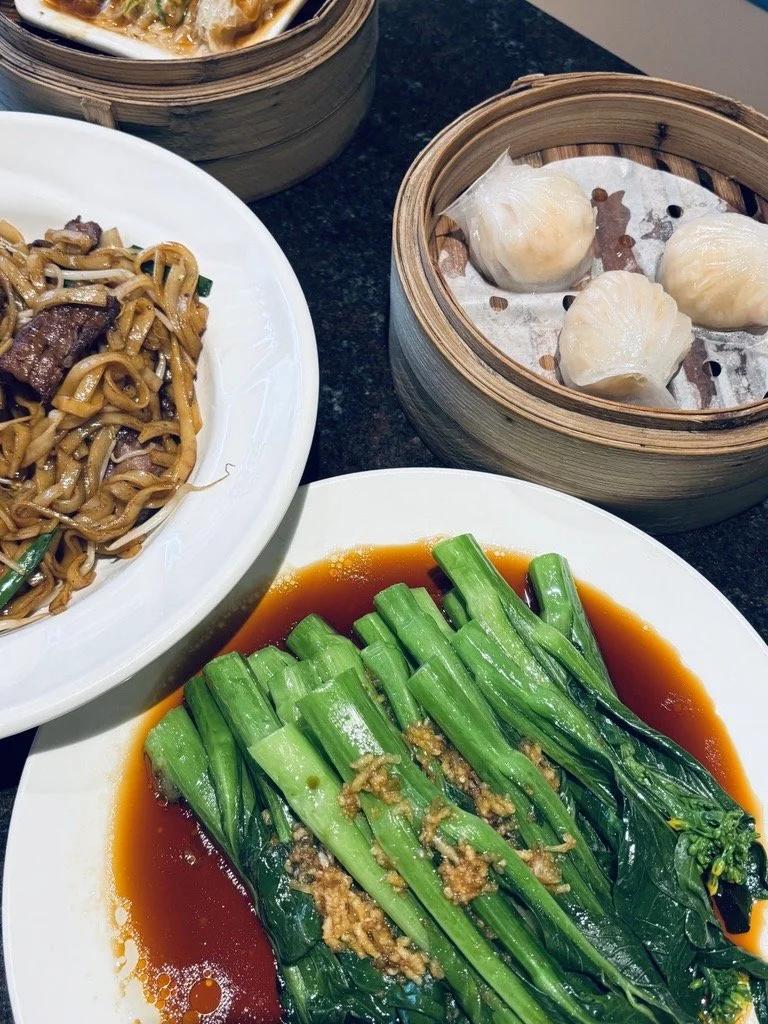
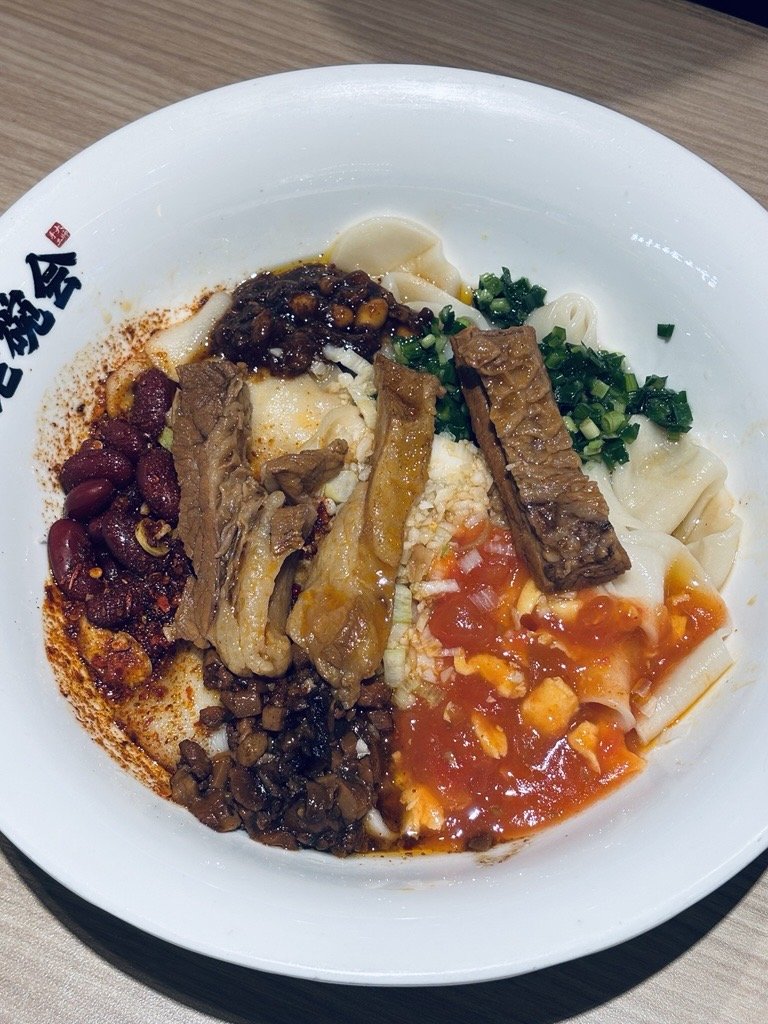
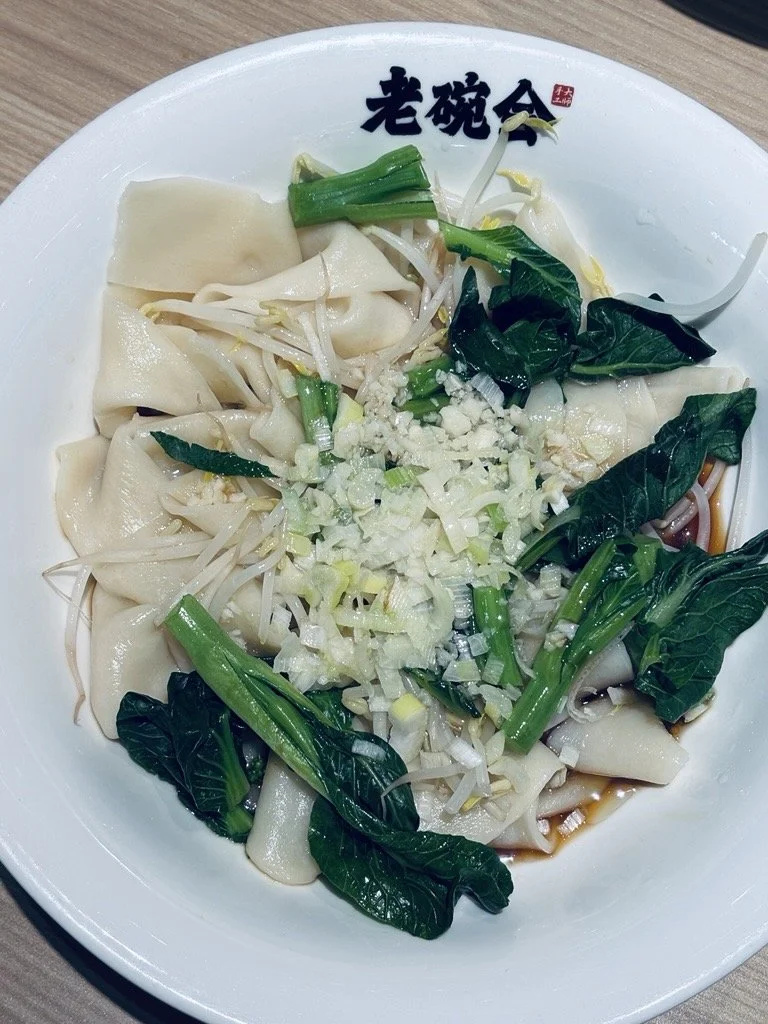
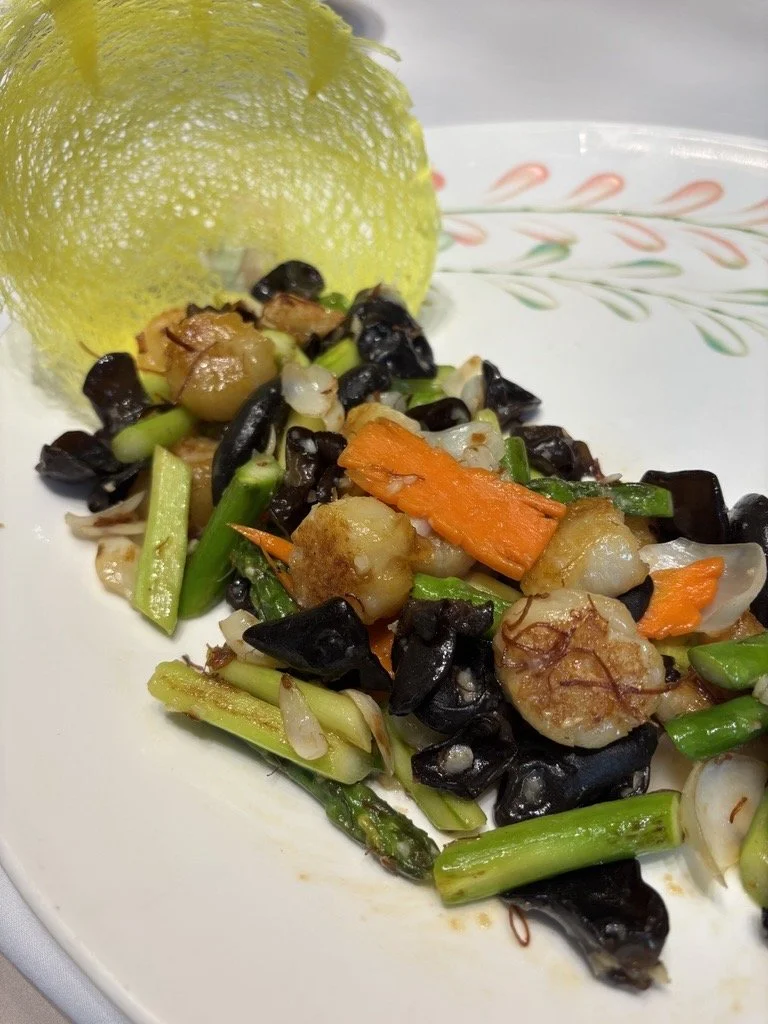
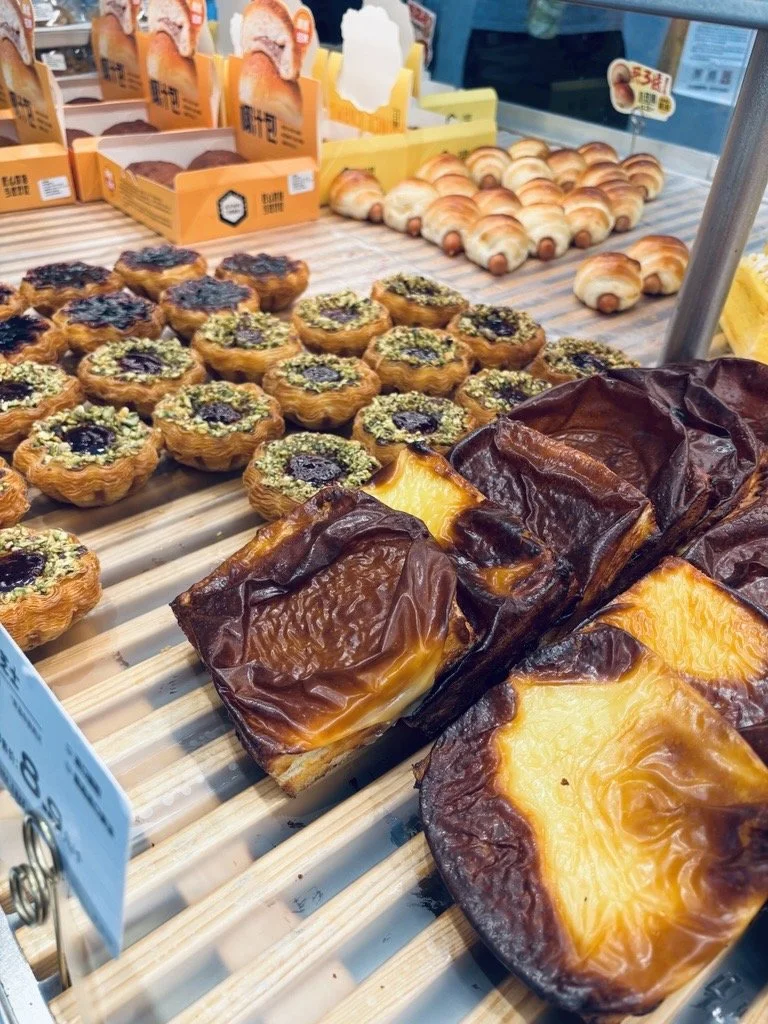
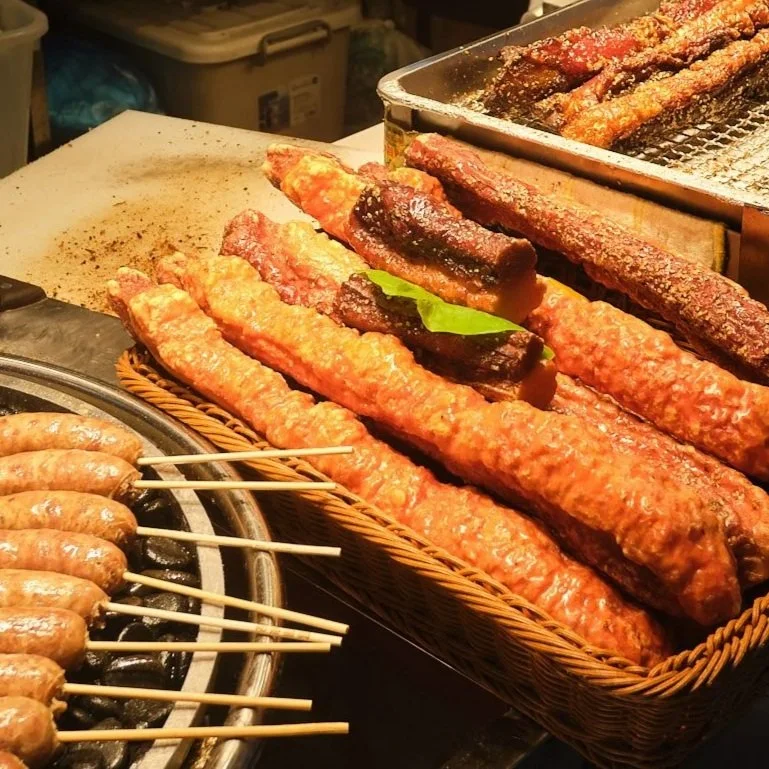
Final Thoughts
Five days in Changping — half business trip, half exploration — showed us a side of Guangdong that often goes unnoticed. The goose, the tea, the markets, the parks, the nightly street scenes… it’s a city that grows on you quickly.
And once you’re based here, you’re perfectly positioned for more adventure.
Easy Day Trips From Changping
If you have extra time, consider taking the train to explore:
Guangzhou for temples, dim sum, Canton Tower, and riverfront strolls
Shenzhen for malls, cafés, and its blend of creativity and tech
Weekend Escape: Danxia Shan Mountain
